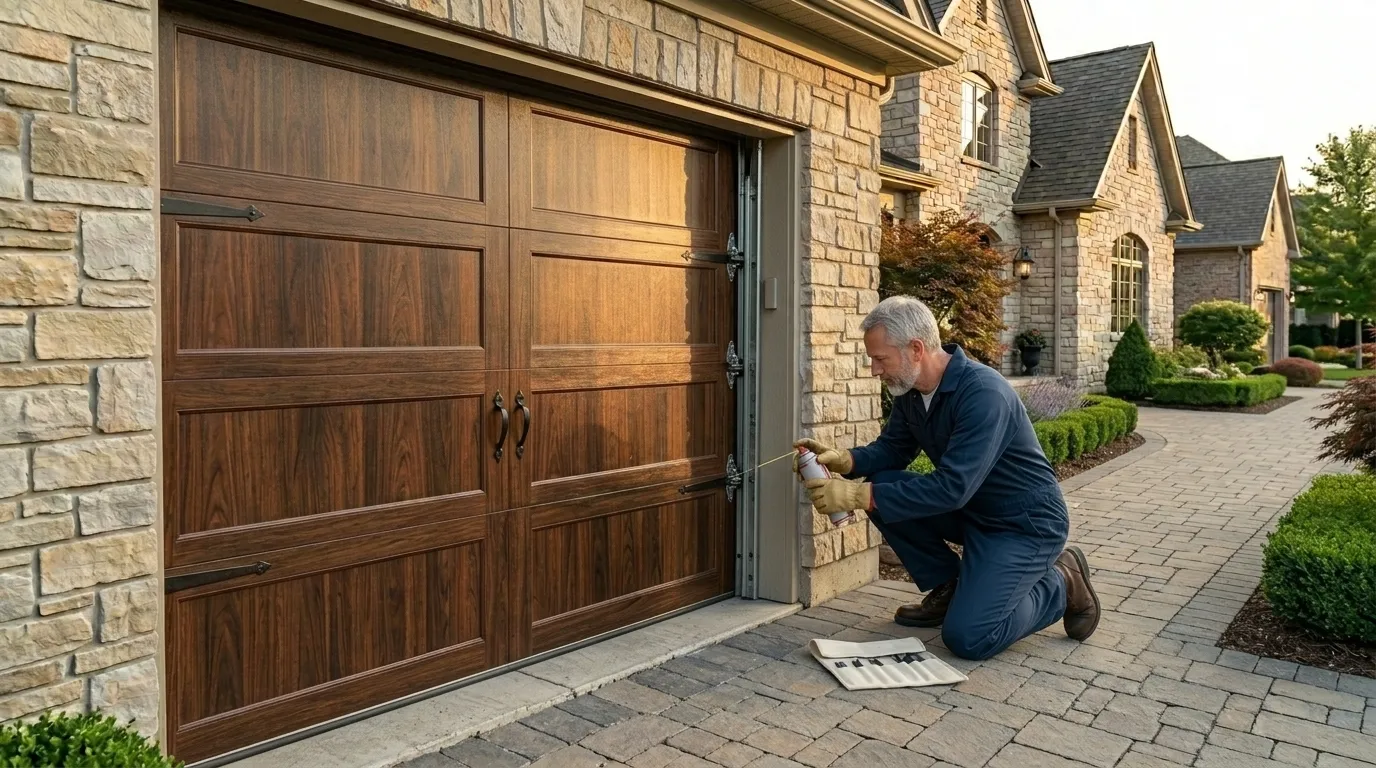
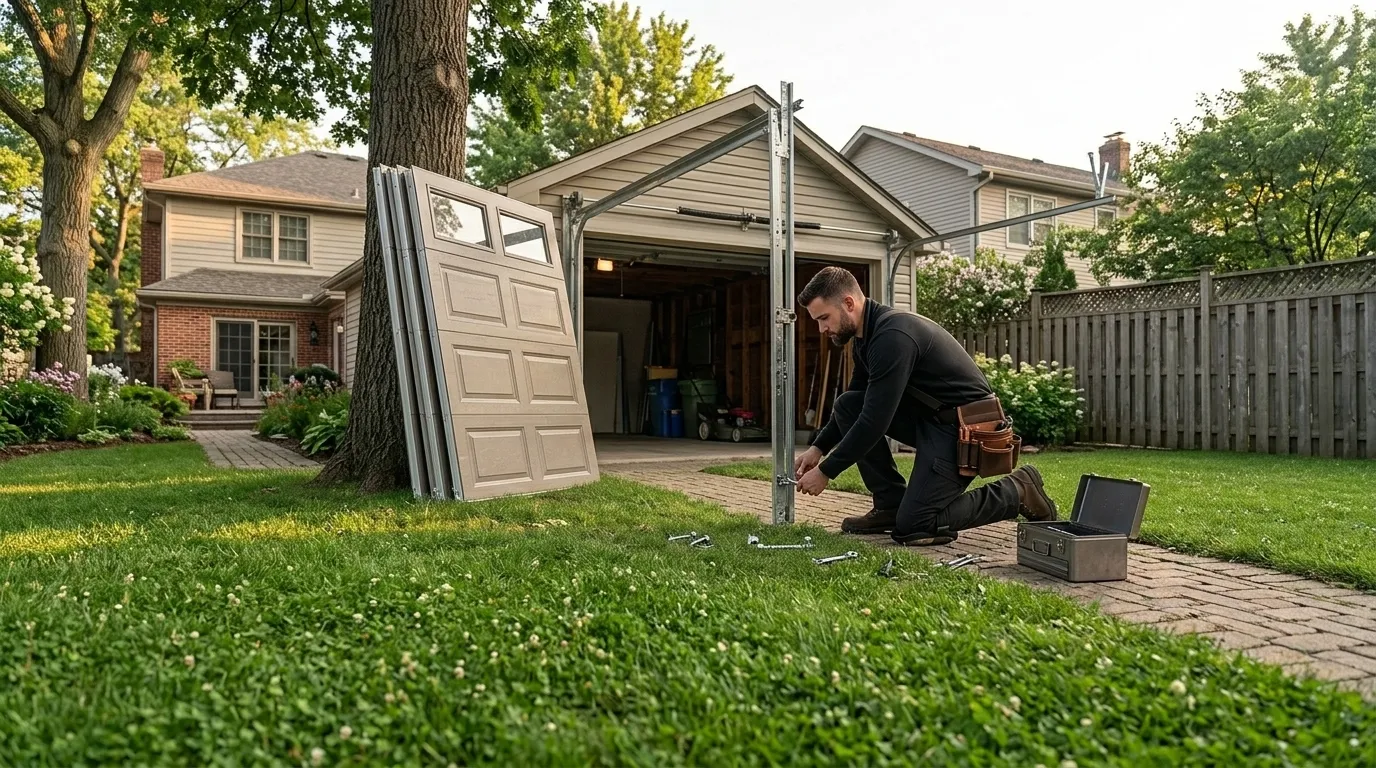
Garage door maintenance in Vernon Hills, IL for homes built between 1938 and 2009. Tune-ups, lubrication, and spring checks suited to cold-climate wear.
You notice it first as a sound. A door that used to glide now grinds at the halfway point, or the opener strains and slows before it clears the header. On the older side of Vernon Hills - homes going back to 1938, with a lot of the stock built through the 1980s and 90s - that grinding is usually a roller that has outlived its lubrication, not the motor. On newer builds it shows up differently: a door that reverses on its own, or a remote that works from the driveway but not from thirty feet back, which points at a sensor or a weakening battery in the wall unit rather than anything mechanical.
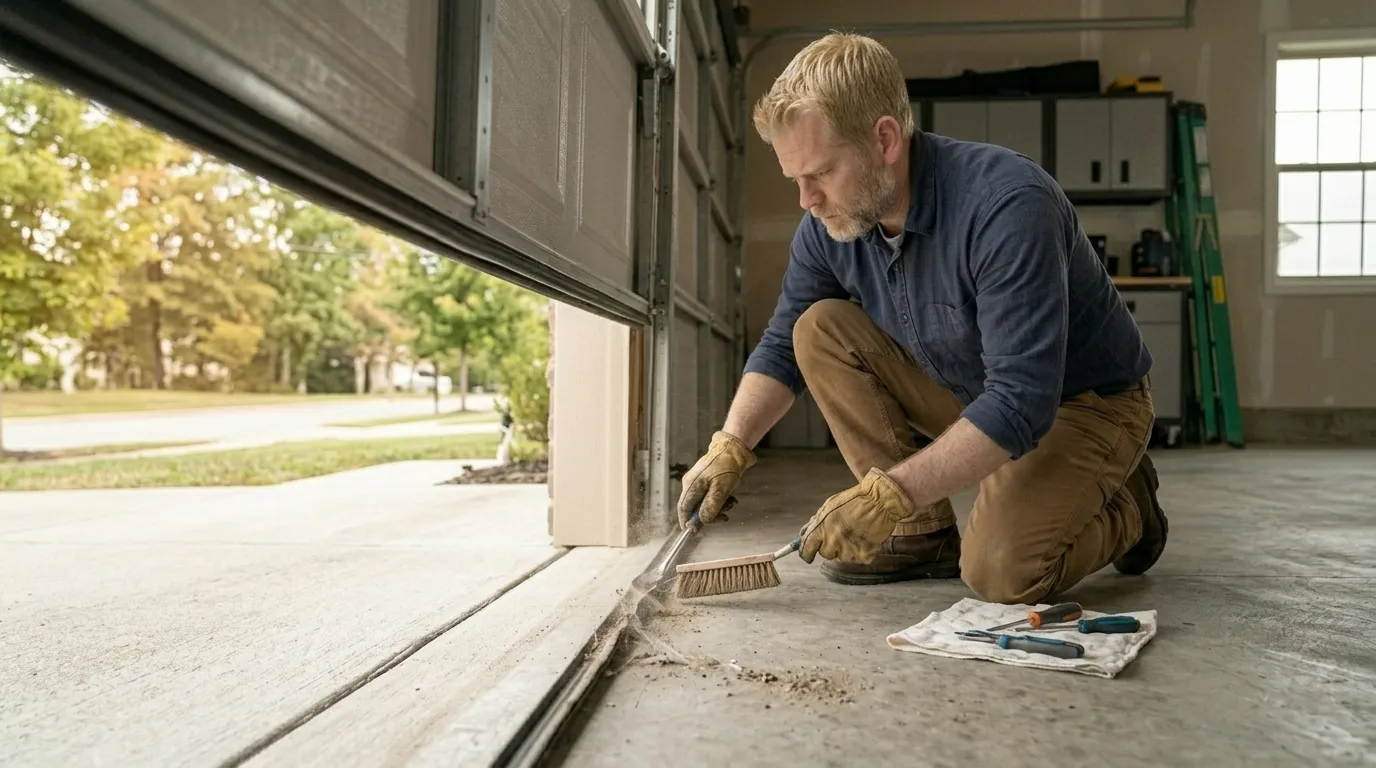
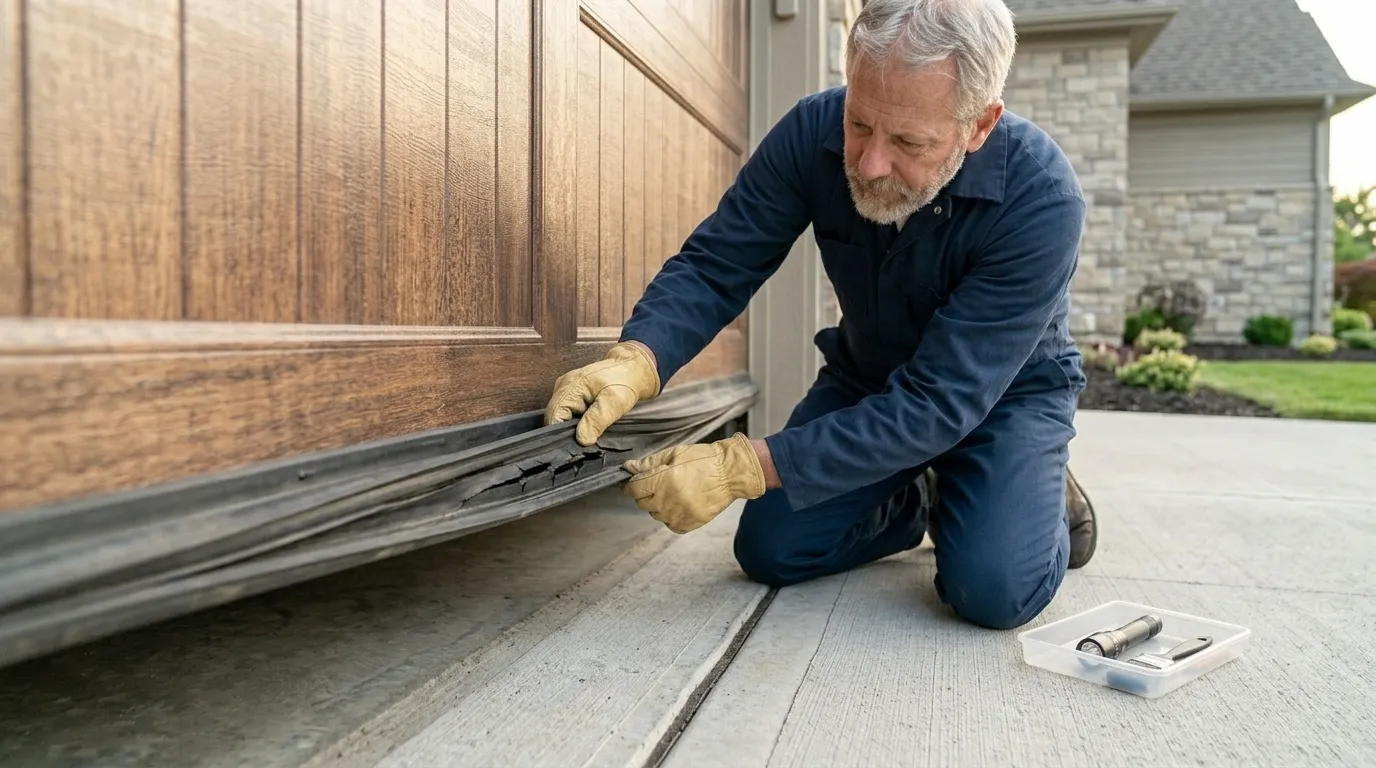
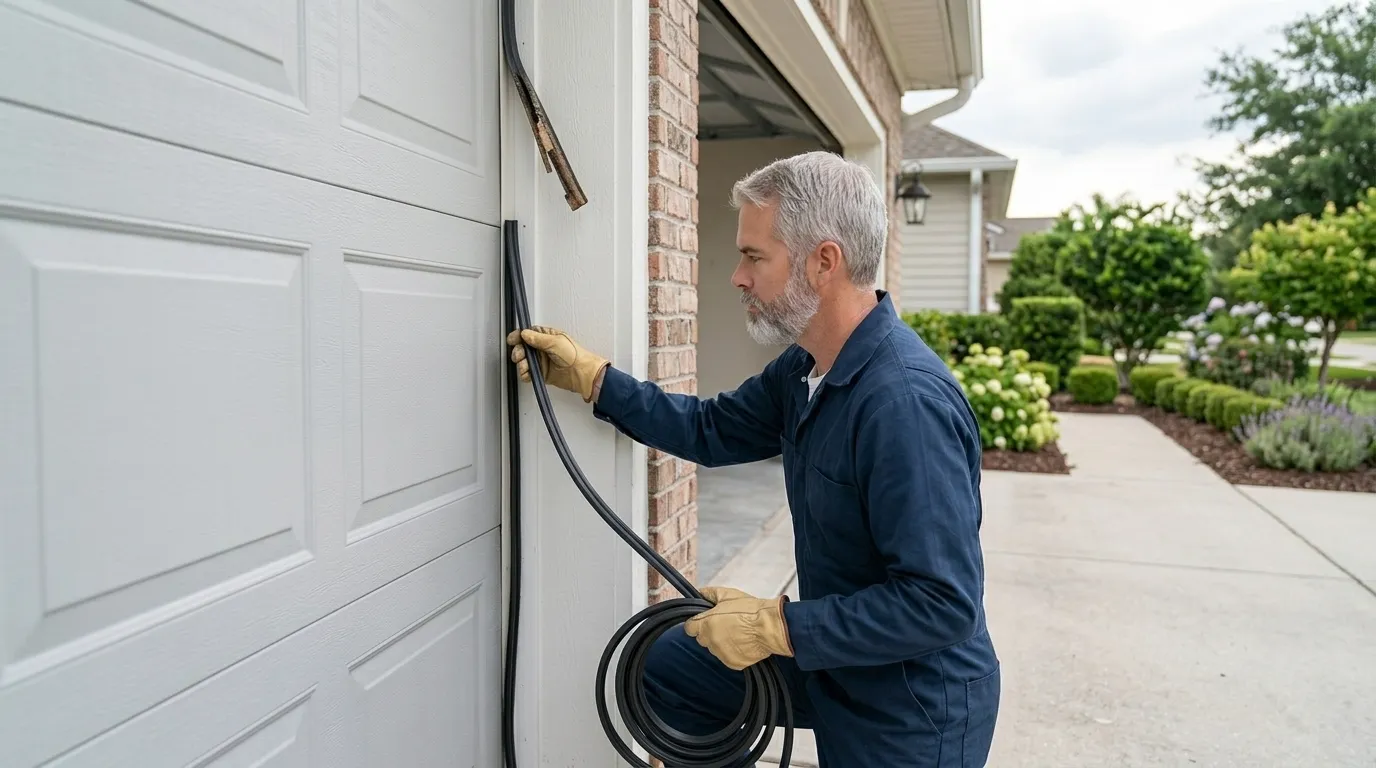
Some owners notice it as a draft along the bottom seal in January, cold air pooling near the threshold even with the door shut. Others catch it as a slow start - the door hesitates for a second before the opener commits, which is often a spring losing tension rather than the opener itself failing. None of these are emergencies on the day you notice them. Left alone through a full winter, most of them become one.
What Can Go Wrong
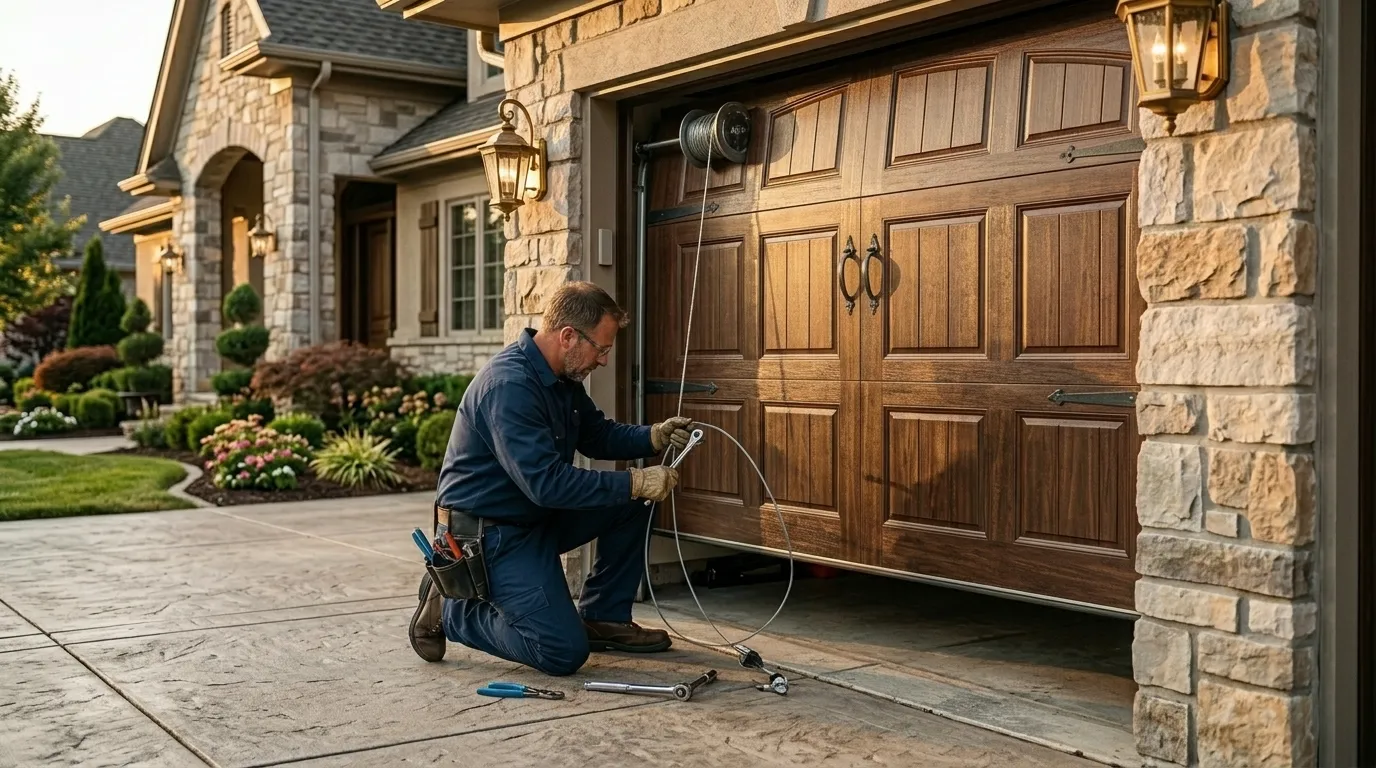
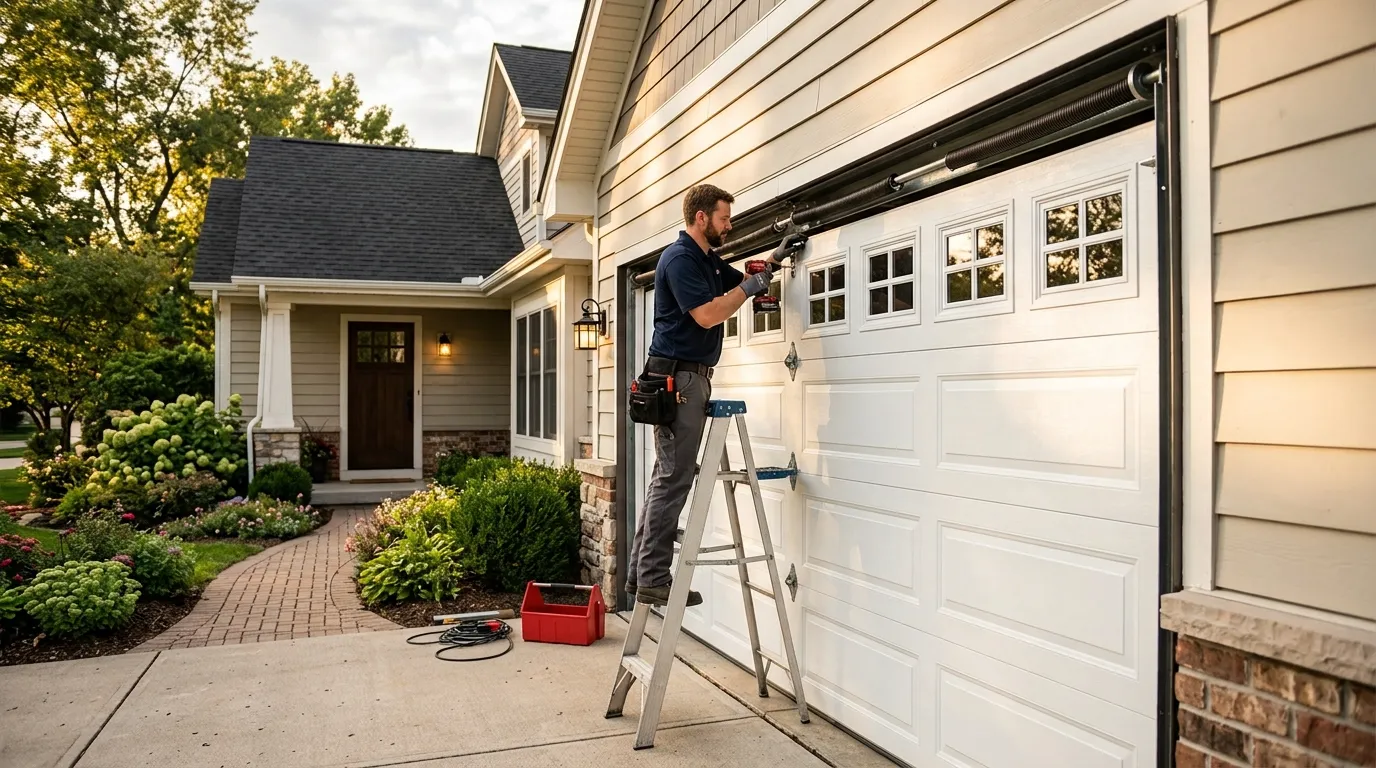
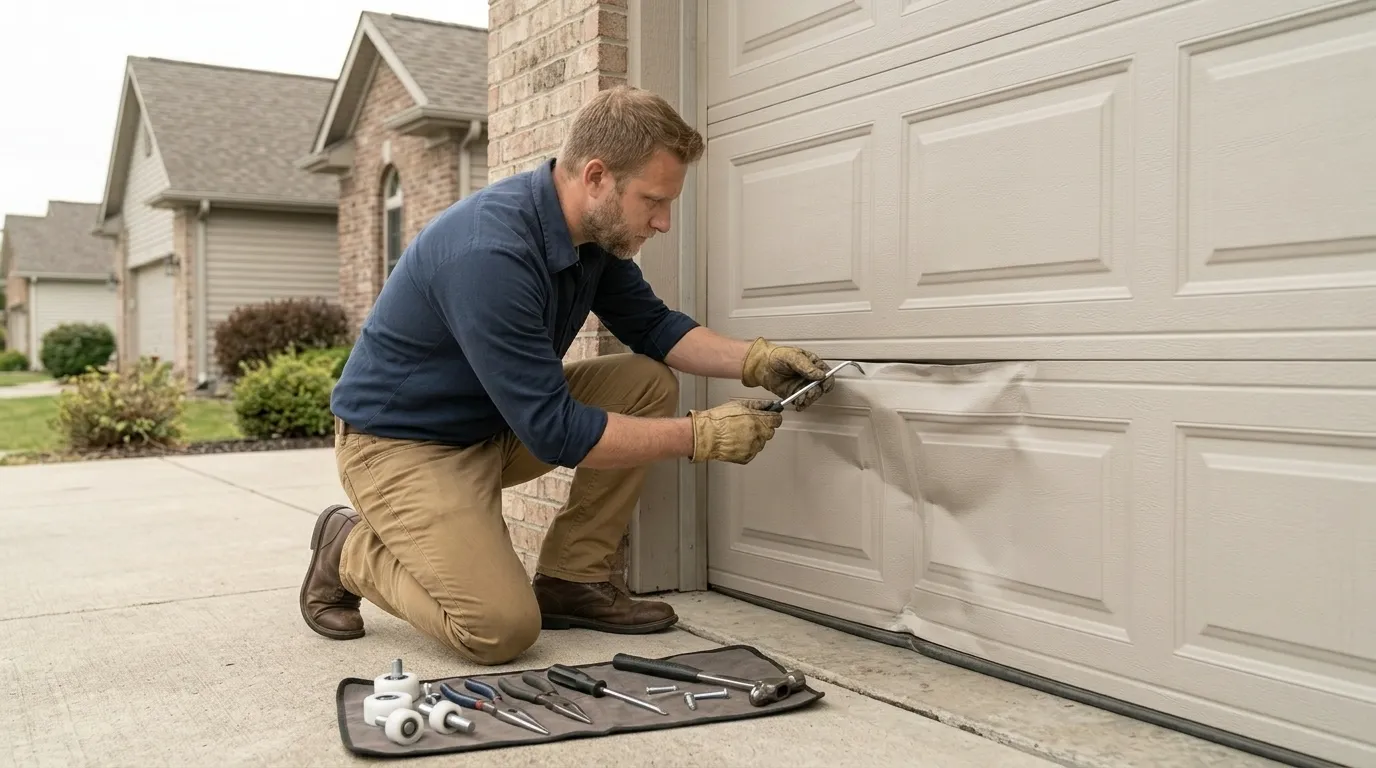
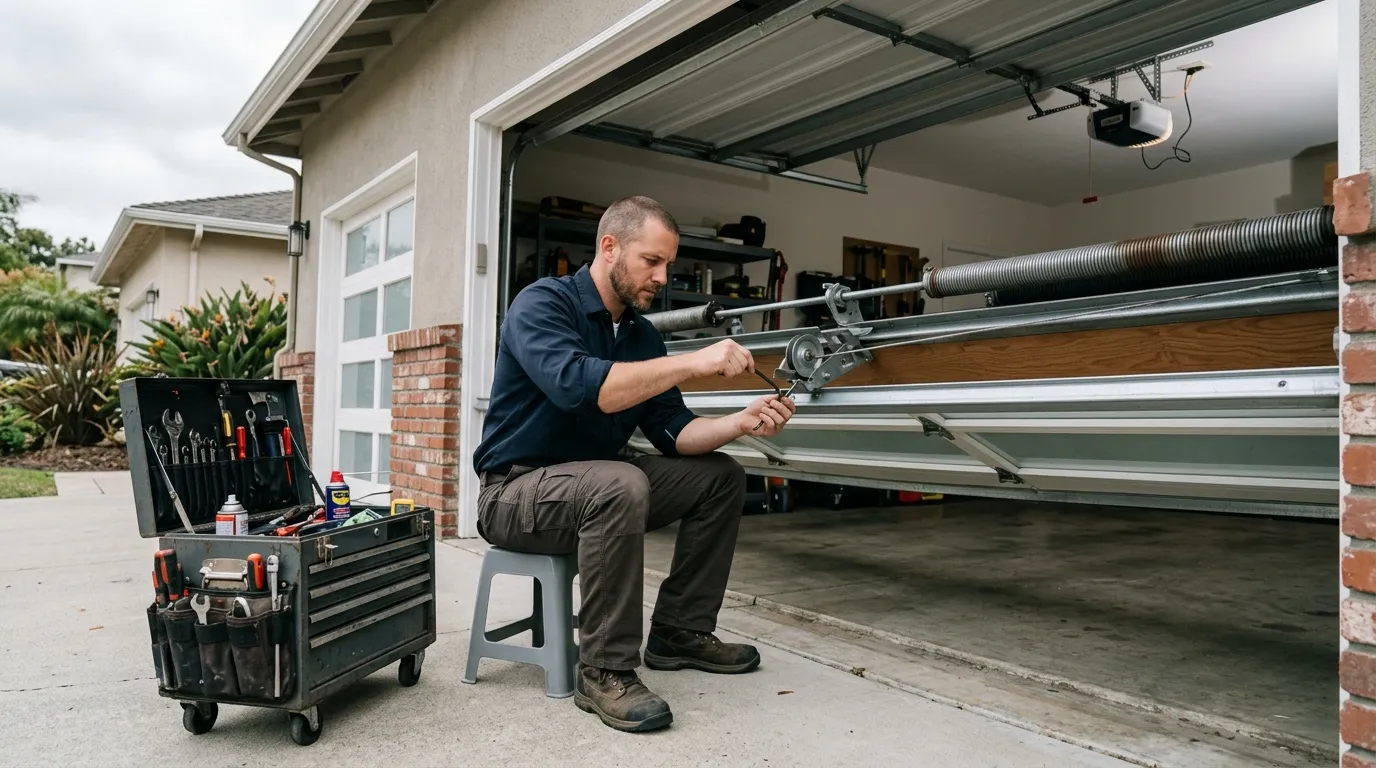
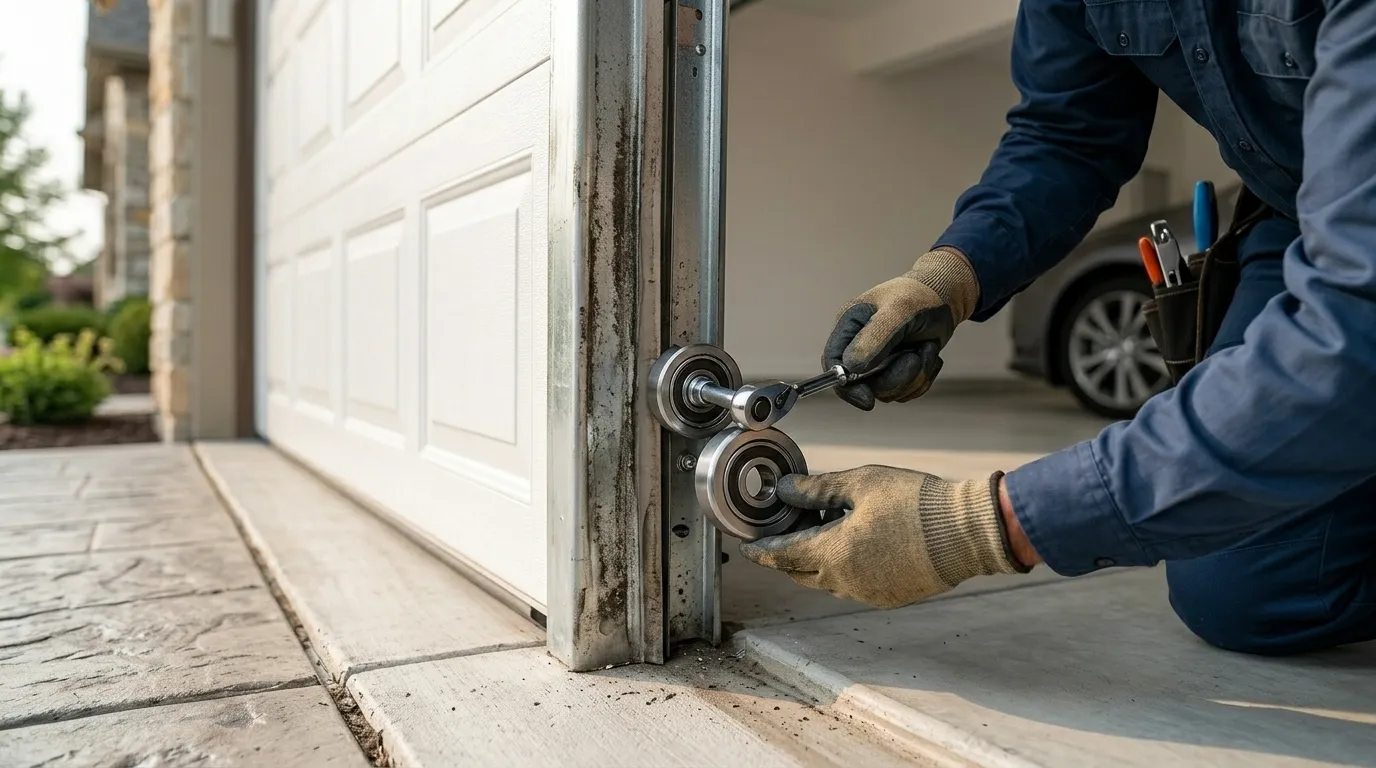
Torsion springs lose tension gradually, and a door that's ten pounds out of balance will wear its cables, rollers, and opener gear faster than the manufacturer rated them for. Nylon rollers crack in cold and get brittle enough to shatter under load. Lift cables fray where they wrap the drum, usually invisible until the day one snaps and the door drops crooked on one side.
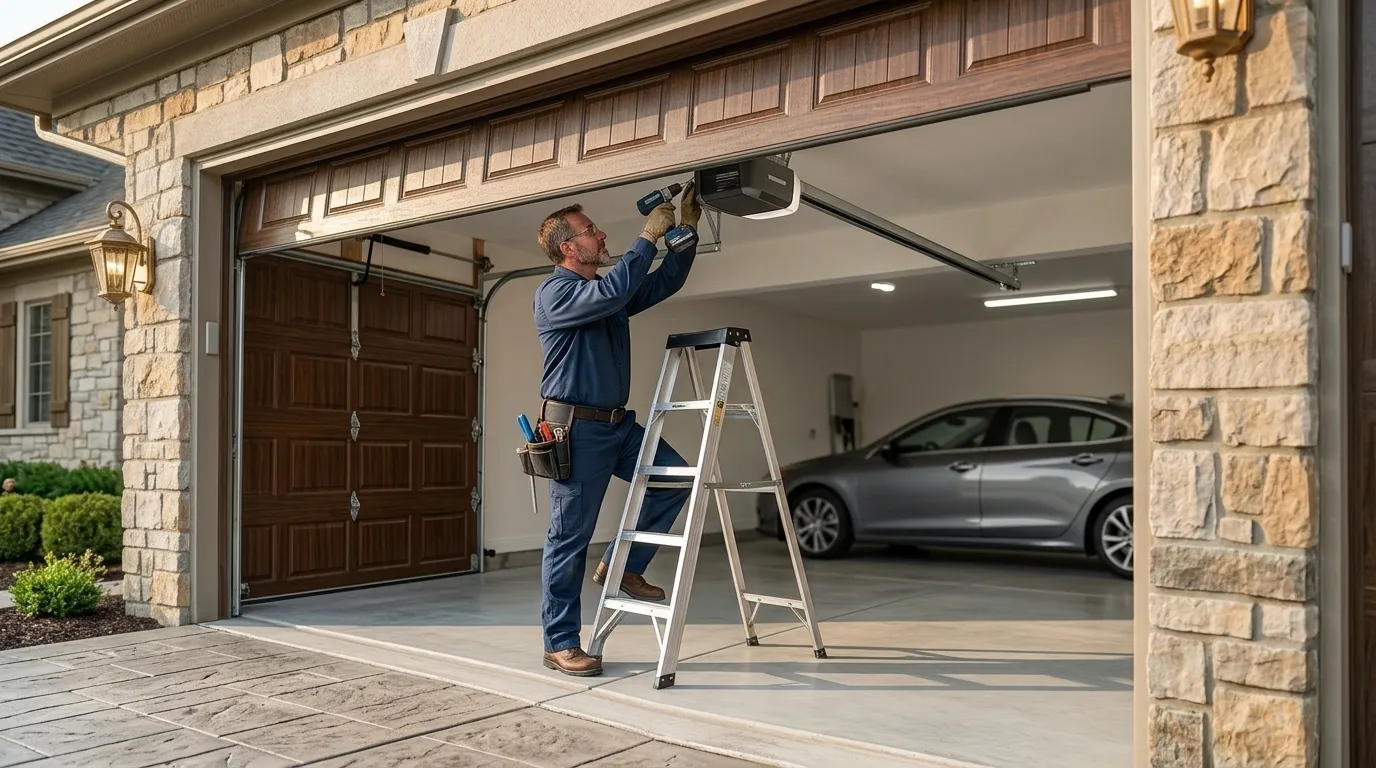
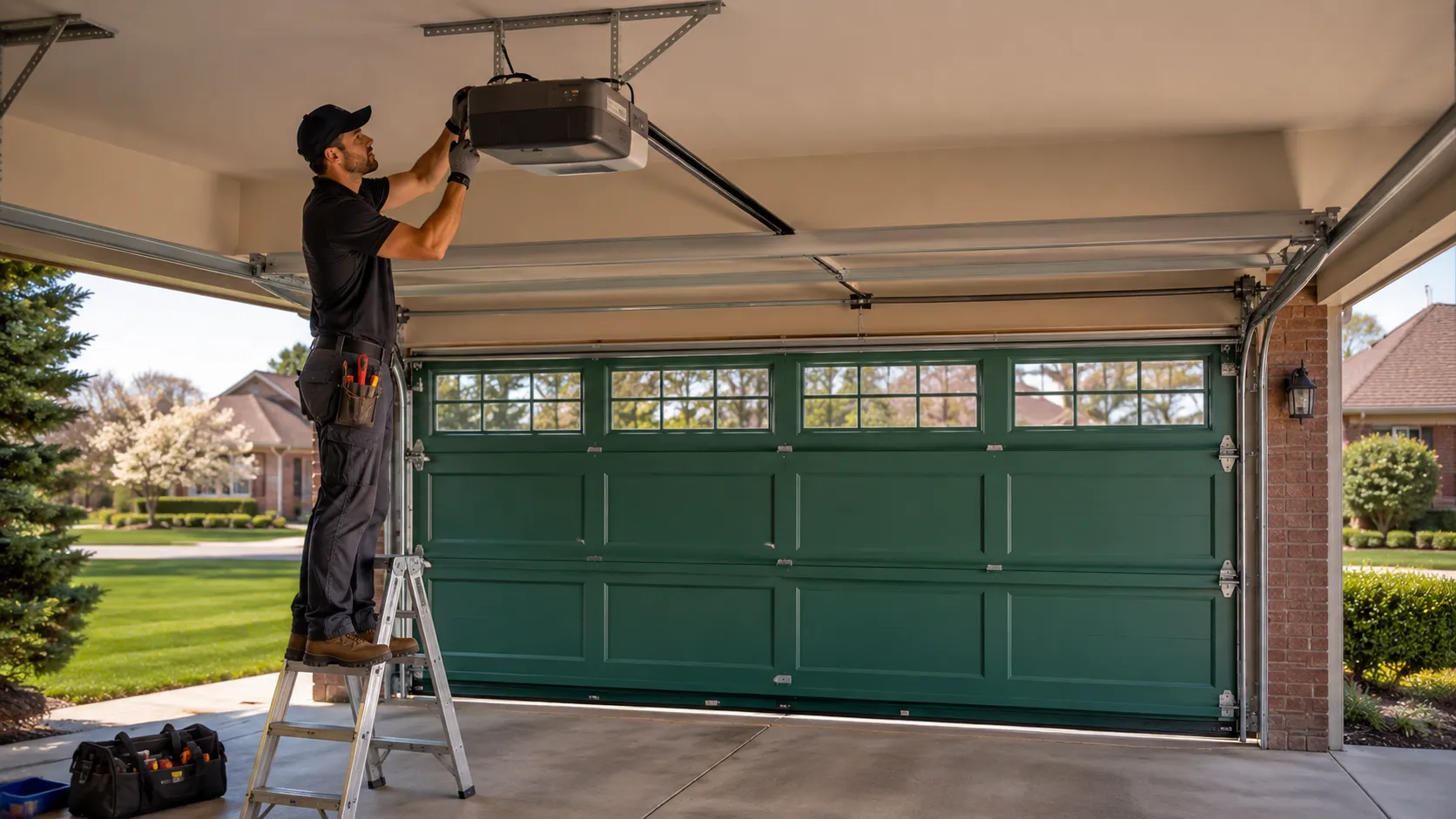
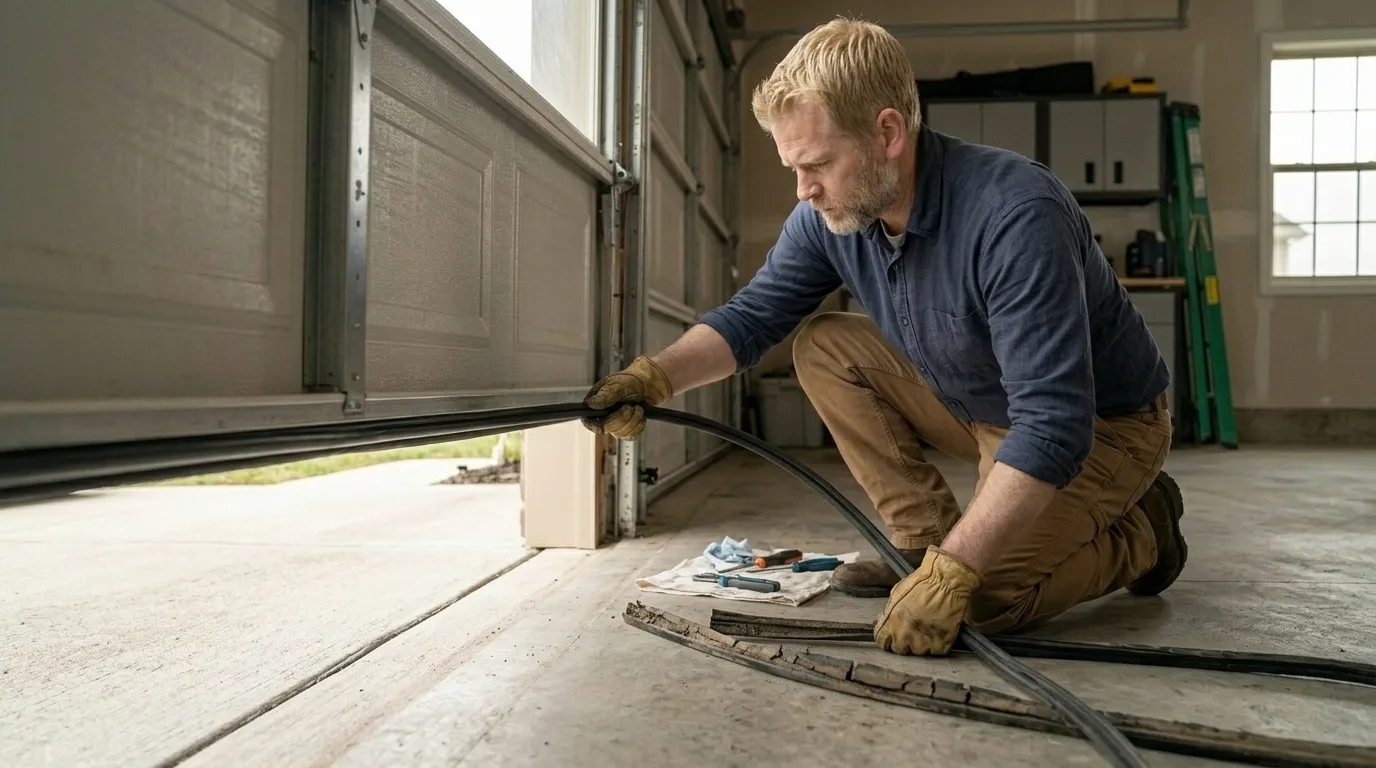
Openers take their own kind of damage: limit switches drift out of calibration, force settings creep up as the door gets harder to lift, and the opener ends up doing the work a spring should be doing, which shortens the motor's life. Weatherstripping cracks and pulls away from the track, and once that seal is gone, moisture gets into places that used to stay dry - hinges, the bottom bracket, sometimes the slab itself.
None of this is dramatic until it is. A door that's slightly out of adjustment in October is a five-minute fix. The same door in February, after three months of a motor overworking against bad spring tension, is a cable replacement and possibly an opener gear kit. Maintenance is cheaper on every single one of these than the repair it prevents.
What Causes It Around Here
Vernon Hills sits in a cold, moderate climate band, and that swing - hot, humid summers into winters that regularly drop well below freezing - is hard on garage door hardware in a specific way. Steel springs and cables expand and contract with temperature, and repeated cycling loosens torsion spring tension faster than it would in a milder climate. Nylon and plastic rollers stiffen and crack in cold, and rubber seals lose flexibility right when they're doing the most work keeping wind-driven cold air out of an attached garage.
Housing age compounds it. The service area's stock runs from 1938 up through 2009, with a heavy concentration of houses built through the 1980s and 90s - homes now old enough that original hardware, if it was never replaced, is thirty to forty years past its design life. A door that's never had a spring adjustment or roller swap in that time isn't unusual; it's the norm on a lot of these streets. Newer builds aren't exempt either - they just fail differently, usually at the opener's electronics rather than the mechanical hardware.
What You Pay
We don't have a fixed number to quote you here - cost depends on what the door needs that day, whether it's a basic tune-up or something that turns up a cracked roller or a cable close to fraying. What we can tell you is what drives the cost up or down: a door that's been maintained on a regular schedule almost always costs less to service than one that's never been touched, because the tech is adjusting instead of replacing.
One honest limitation: if your springs are original to a house built in the 1980s or earlier and have never been serviced, a maintenance visit may turn into a recommendation to replace rather than adjust. We'd rather tell you that up front than tune up a spring that's going to fail in six months anyway. That's not an upsell, it's just what thirty-plus-year-old steel does under repeated cold-weather cycling.
How it works
From “it’s stuck” to “it’s fixed”
1
Tell us what’s wrong
Describe the symptom - won’t open, loud bang, opener runs but the door won’t move.
2
On-site diagnosis
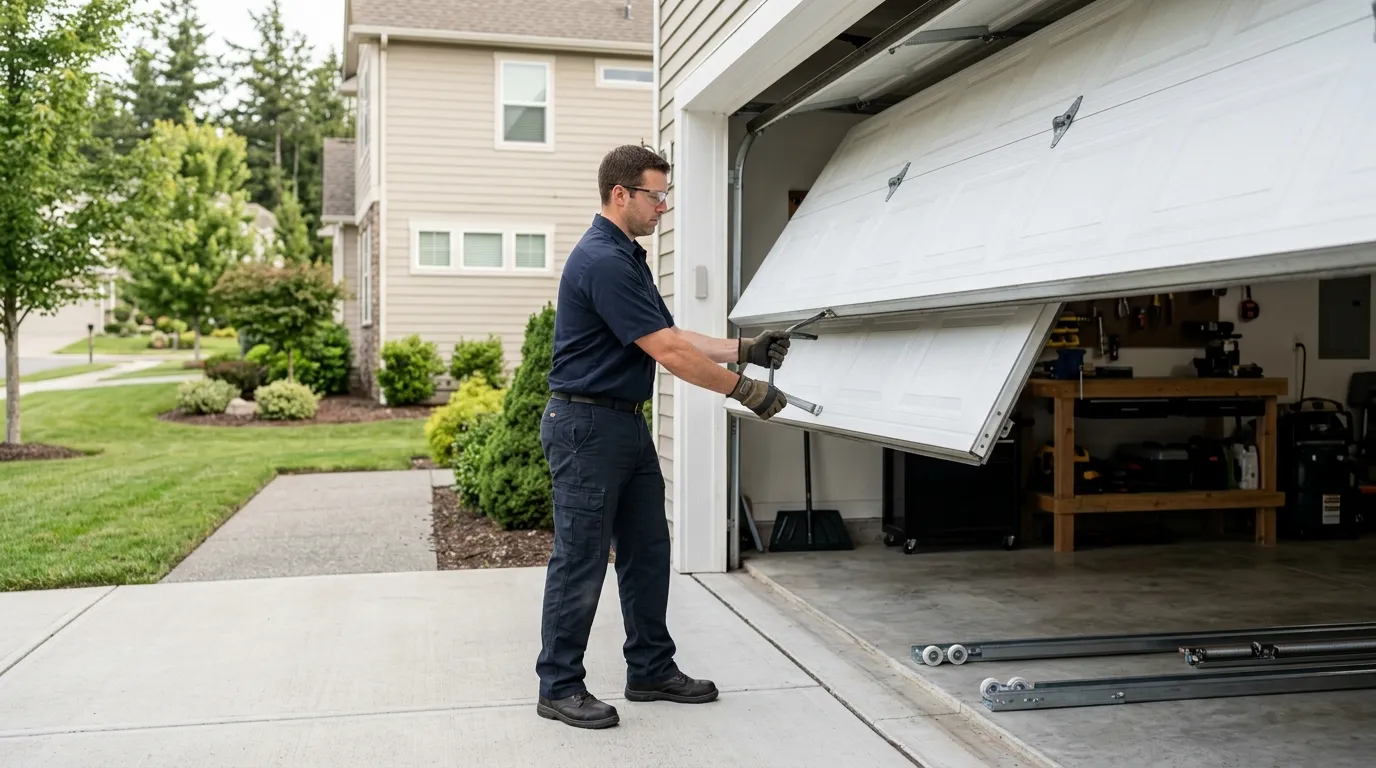
A technician tests the door under power and by hand and finds what actually failed.
3
Clear, up-front plan
You get the fix that’s needed and what drives the cost - before any work starts.
4
Repaired & tested
The repair is done, the door is set true and tested, and the work area left clean.
Serving Vernon Hills, IL - tell us what your door’s doing and we’ll take it from there.
Straight answers about garage door repair in Vernon Hills. Still unsure? Ask us directly.
How often should I get my garage door maintained in Vernon Hills?
Once a year is the general rule, ideally before winter sets in, since cold cycling is what stresses springs, cables, and rollers hardest here. If your house was built before the 1990s and the hardware has never been serviced, it's worth doing sooner rather than waiting for the next scheduled visit.
Can maintenance prevent a broken spring?
It won't stop a spring from eventually wearing out - they have a cycle life - but a tension check and lubrication visit catches a spring that's losing balance before it snaps under load. Catching it early usually means an adjustment instead of a full spring replacement.
Does an older house need more frequent maintenance?
Generally yes. A lot of homes in this area date to the 1980s and 90s, and original hardware that age is well past its expected service life if it's never been replaced. We check those doors closer to twice a year rather than once.
What does a maintenance visit actually include?
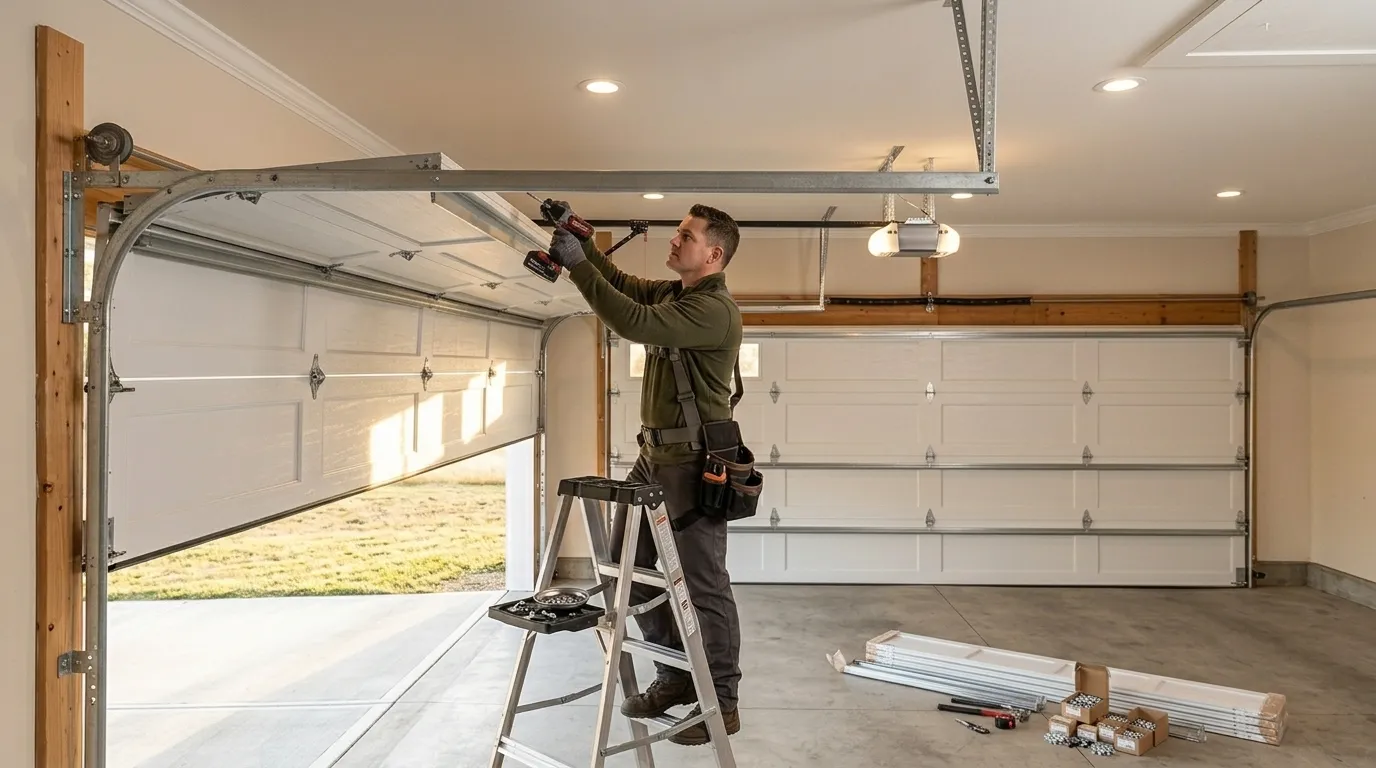
Spring tension check, roller and hinge inspection, cable condition check, opener force and limit calibration, and weatherstrip inspection. We don't have a fixed price list to quote without seeing the door, but we'll tell you on site what's worn and what can wait.