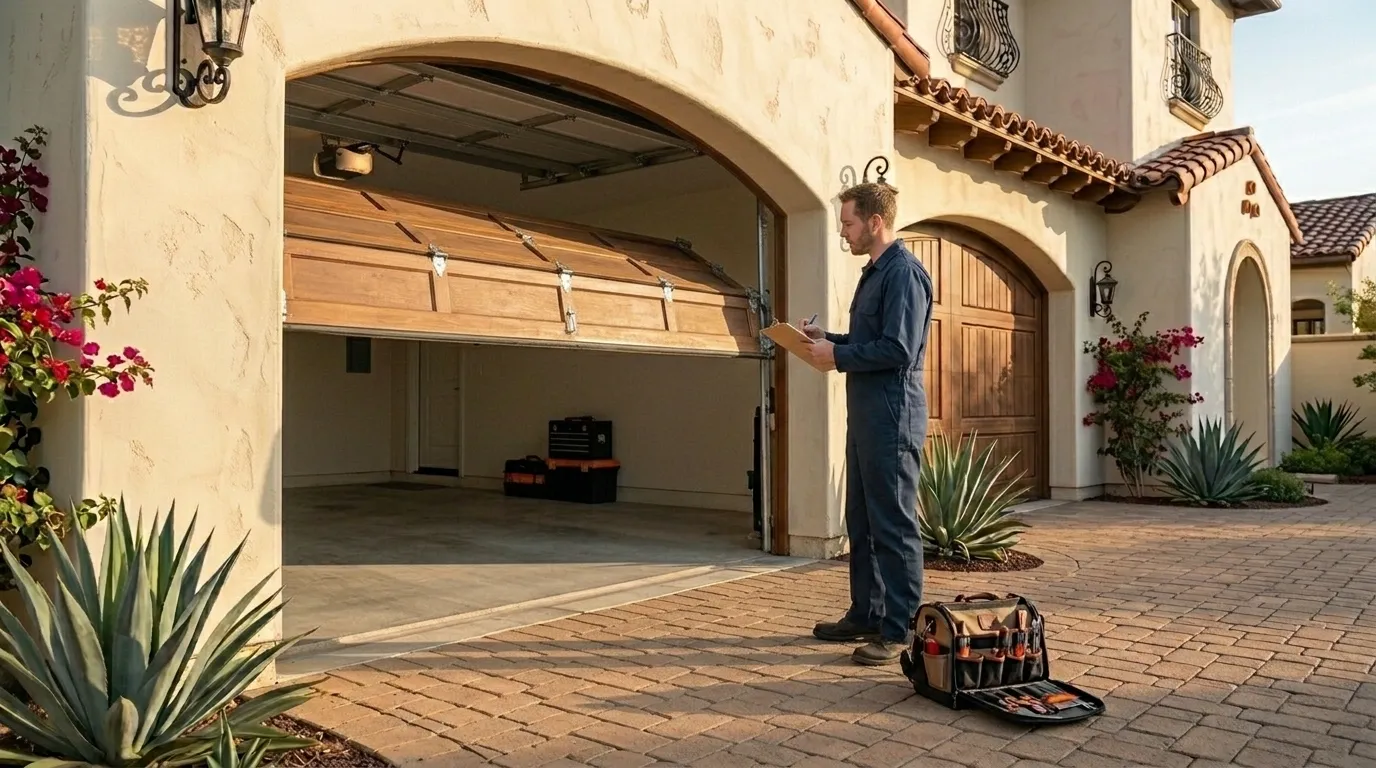
Commercial garage door repair for Lindenhurst, IL, built out mostly by the mid-1980s. Vernon Hills Garage Door Pros works on the bay doors and hardware that era left behind.
Lindenhurst's building stock centers on 1986 as its median year built, which puts a lot of the light-industrial and small commercial construction here squarely in the extension-spring, non-insulated steel door era. That's what was standard on bay doors going up in the mid-80s: galvanized sectional steel, extension springs running along horizontal tracks, and chain-hoist or basic electric operators without today's soft-start electronics. None of that hardware is bad by design, but it's thirty-plus years further into its service life than what goes into a bay door installed today.
The area sits in a cold-moderate climate band, and that matters more for older hardware than newer. Extension springs cycle through more stress swings than torsion springs as temperatures drop and steel contracts, and a spring at the end of its life doesn't give much warning before it lets go. On a commercial door that's opened and closed dozens of times a day, that fatigue adds up faster than it would on a house door used once or twice.
With 5,081 households in Lindenhurst and a median income of $127,837, this is a smaller, later-developing pocket of the wider service area we work from Vernon Hills - the service area overall runs closer to $113,125 median income across 204,794 households. That difference shows up less in the doors themselves and more in what businesses here are willing to spend on getting ahead of a failure instead of waiting for one.
How It Shows Up
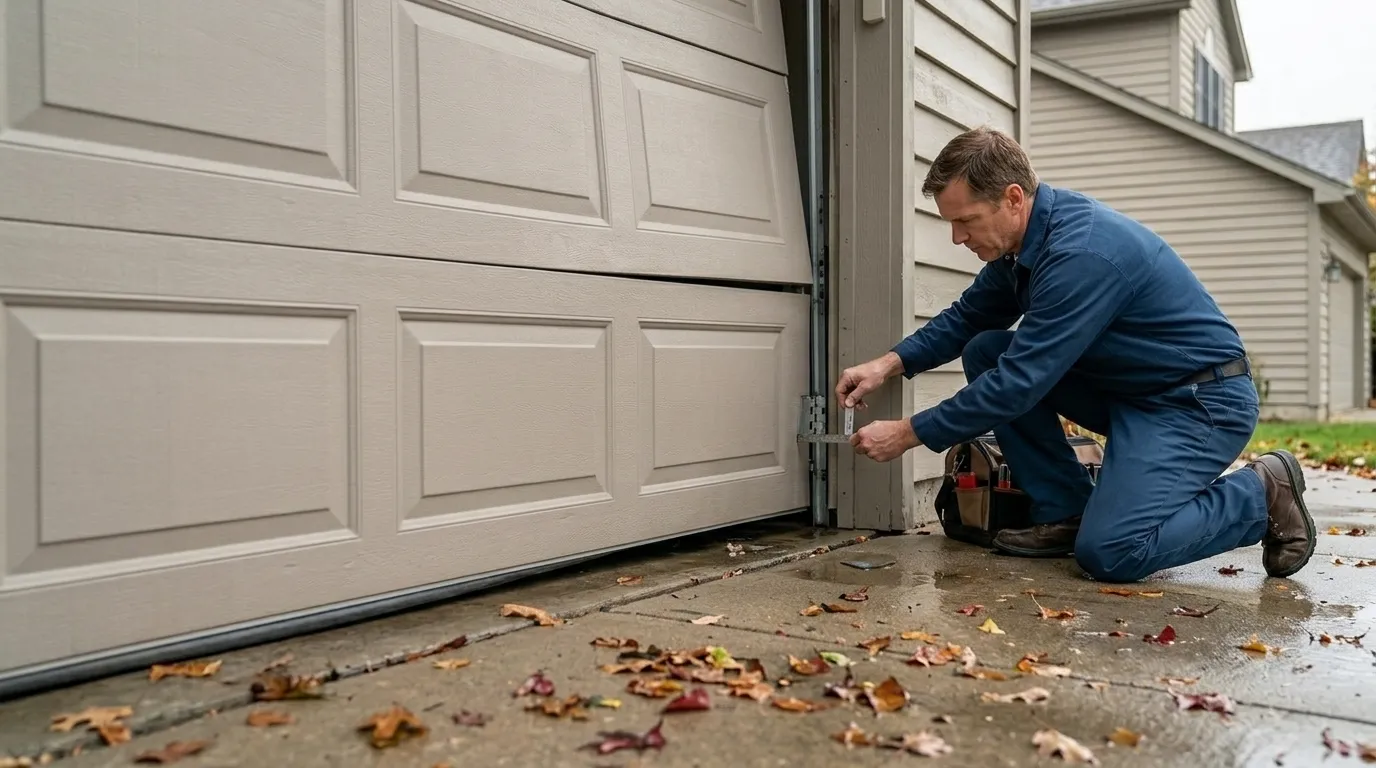
On a 1980s-era commercial bay door, the first sign is usually noise: a grinding or popping from the spring assembly as it winds down, or a chain hoist that starts skipping teeth on the sprocket. Extension springs that are near failure often sag visibly along the track before they snap outright, so a door that used to open square and now racks slightly to one side on the way up is worth a call before it's worth an emergency.
Cold-moderate winters put extra load on steel panels that have gone three-plus decades without insulation retrofits. Panels flex more at the bottom seal, and on doors with the original hardware, the added flex accelerates wear at the roller brackets and hinges. You'll see it as a door that's slower to seat at the bottom, or one that needs a shove partway through the cycle where it used to run smooth.
On operators from that era, the failure mode is usually electrical rather than mechanical - a limit switch or relay that's simply outlived its rated cycles. If your door still runs on a chain hoist with no soft-start, and it's started stalling partway through the cycle, that's the sprocket or the chain tension, not the motor.
How to Book
We run out of Vernon Hills, about 13 miles from Lindenhurst, so this isn't a same-hour drop-in stop the way it might be for a business closer to our shop. We schedule Lindenhurst jobs as part of a planned route rather than promising an on-demand window, which means the best way to get a fast answer is to call ahead with the door make, the operator type if you know it, and whether the door is still moving or fully stuck.
For commercial accounts, it helps to have someone on site who can describe what the door was doing right before it failed - grinding, drifting to one side, stalling at a specific point in the cycle. That narrows down whether we're bringing spring stock, sprocket and chain parts, or an operator board before the truck leaves Vernon Hills, which keeps the trip from turning into two trips.
We don't have a branch or drop-off counter in Lindenhurst itself, so all service here is scheduled and dispatched from our home base. If your door is a safety issue - stuck open on a bay that needs to be secured - say so when you call and we'll work it into the route accordingly.
Doing It Yourself
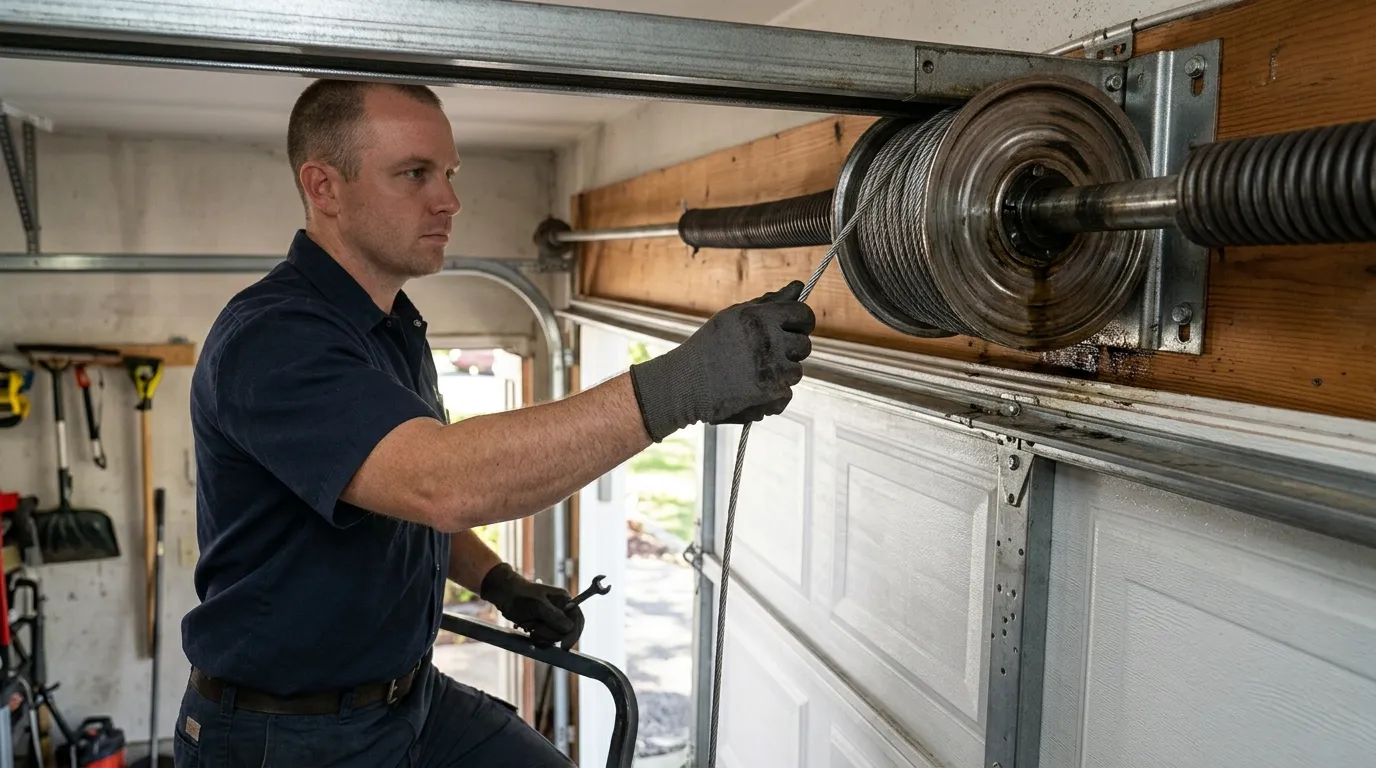
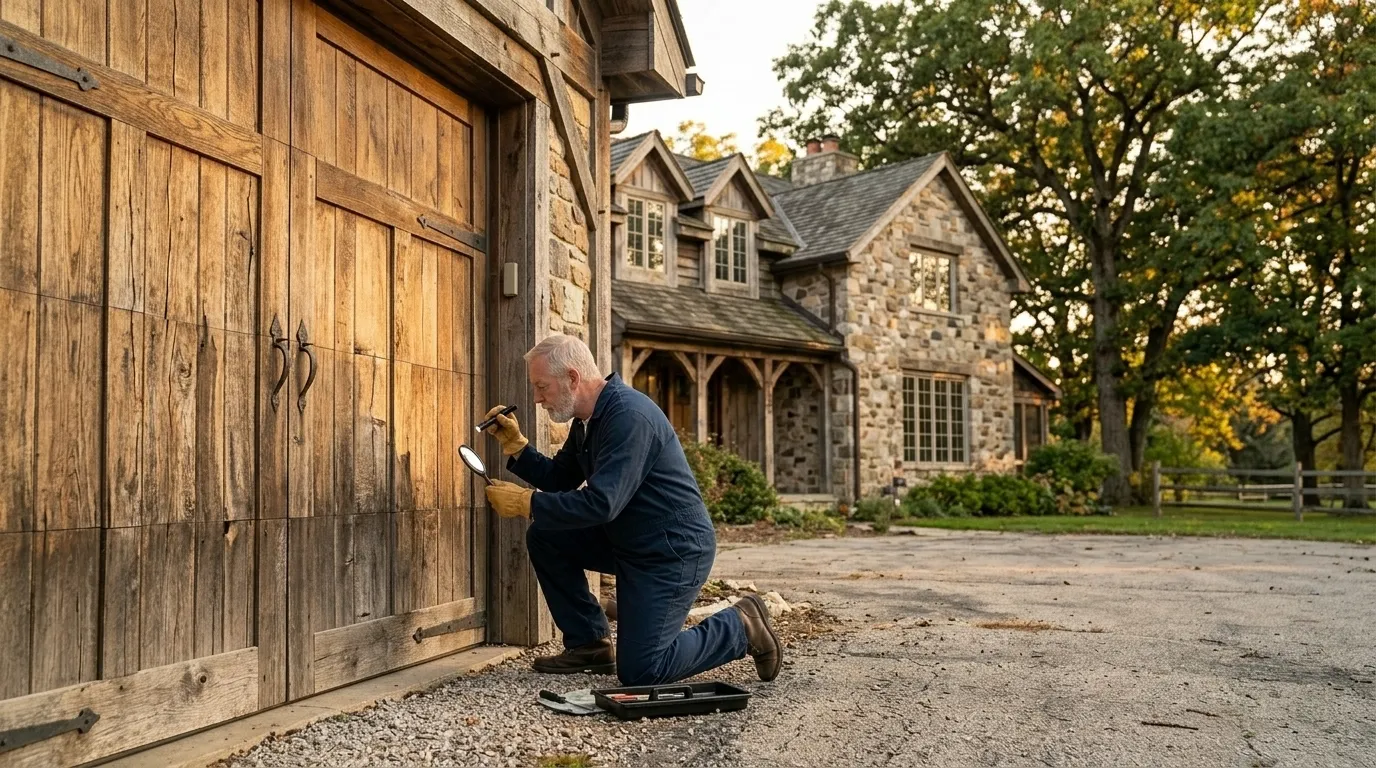
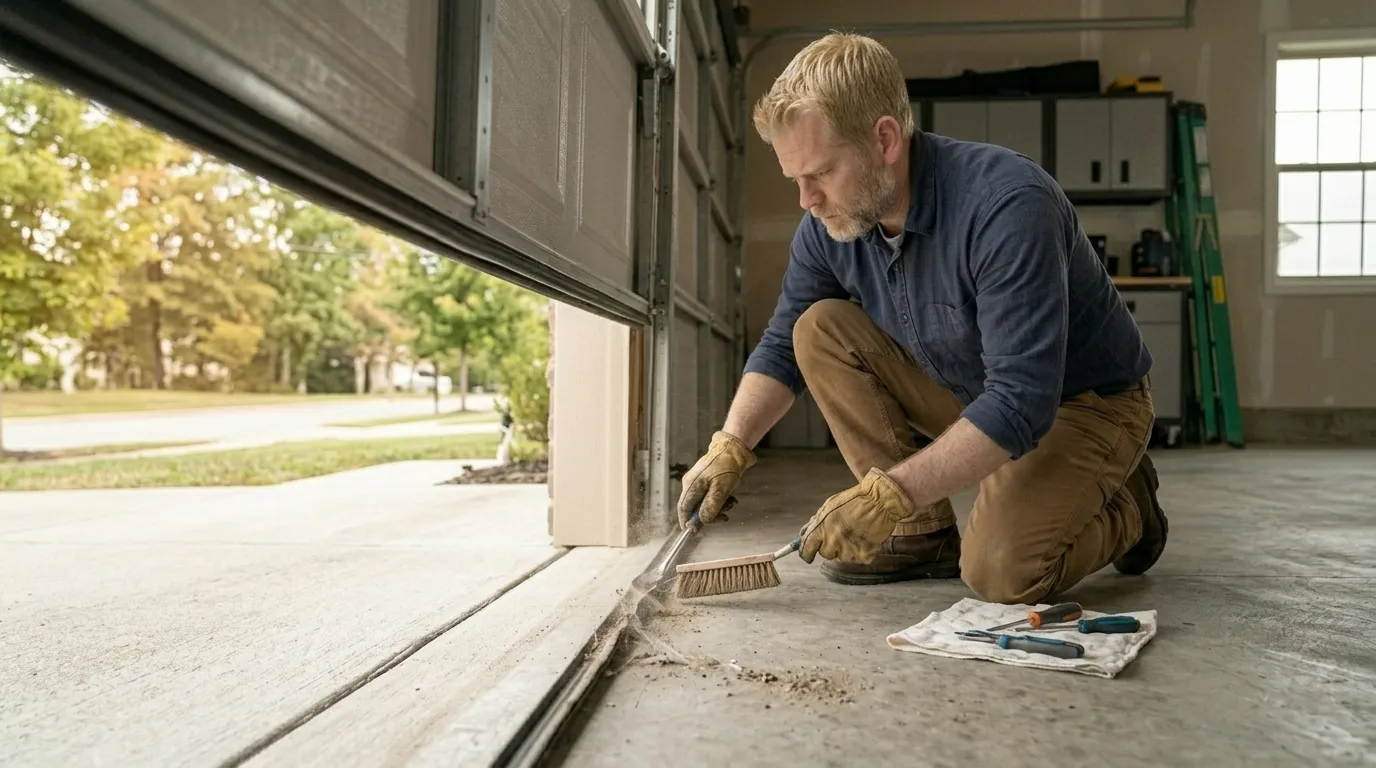
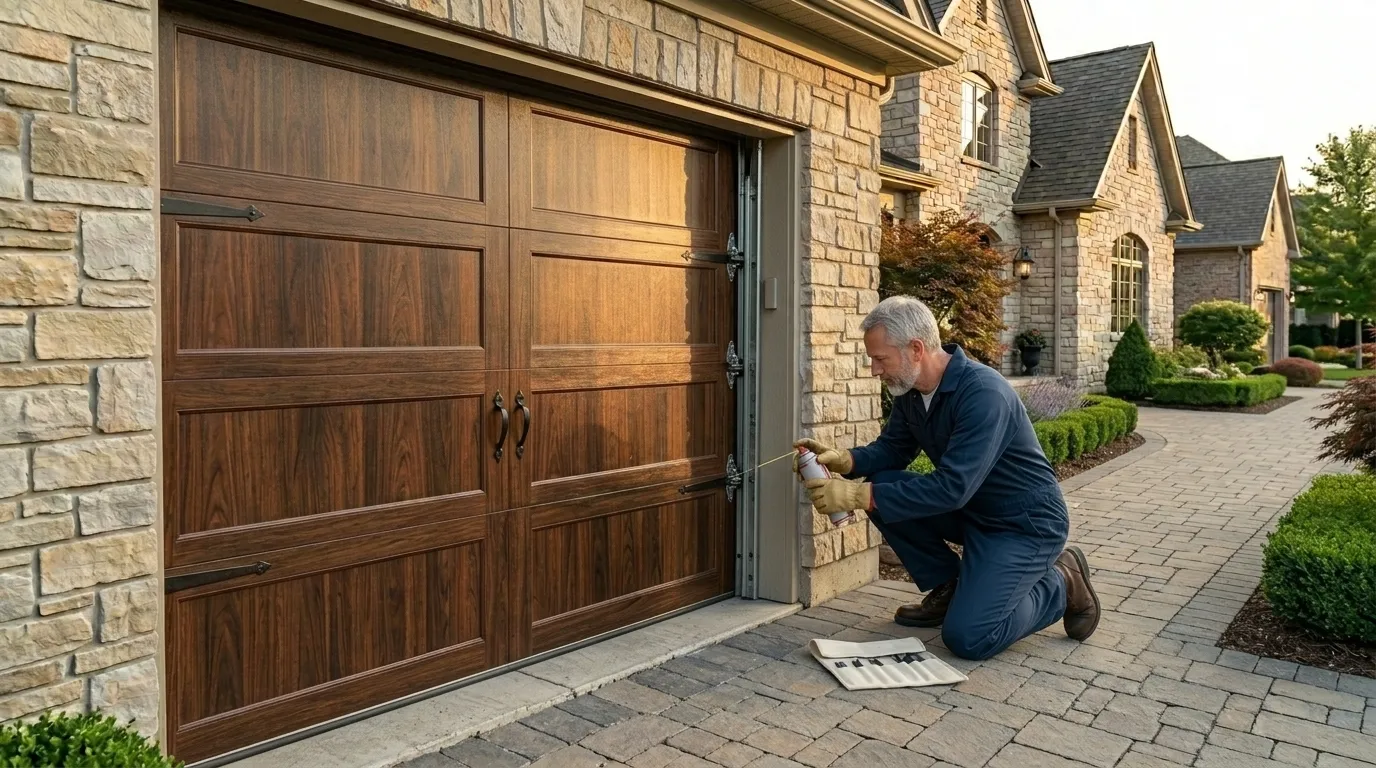
There's a real limit to what a business owner should touch on a commercial bay door, and extension springs are the clearest line. They're under enough tension to cause serious injury if they let go while you're working near them, and on 1980s-era hardware they're often original to the building, meaning nobody's logged how many cycles are left in them. Lubricating rollers and hinges, checking that the bottom seal isn't torn, and watching for a door that's started drifting off-square are all fine to do yourself and worth doing regularly.
What's not worth attempting is anything involving the spring assembly, the torque tube, or the cable drums. If your operator is original to a mid-80s build and has started stalling, replacing a relay yourself is possible if you know electrical work, but on commercial equipment tied into a building's power and alarm systems, a wrong wire is a bigger problem than a slow door.
One honest limitation: parts for operators and hardware from that era aren't always something we can pull off a shelf. Original sprockets, specific relay boards, and some extension spring gauges from the 1980s take longer to source than current stock, so a repair on genuinely original equipment sometimes runs a longer lead time than a same-week fix.
What the Fix Involves
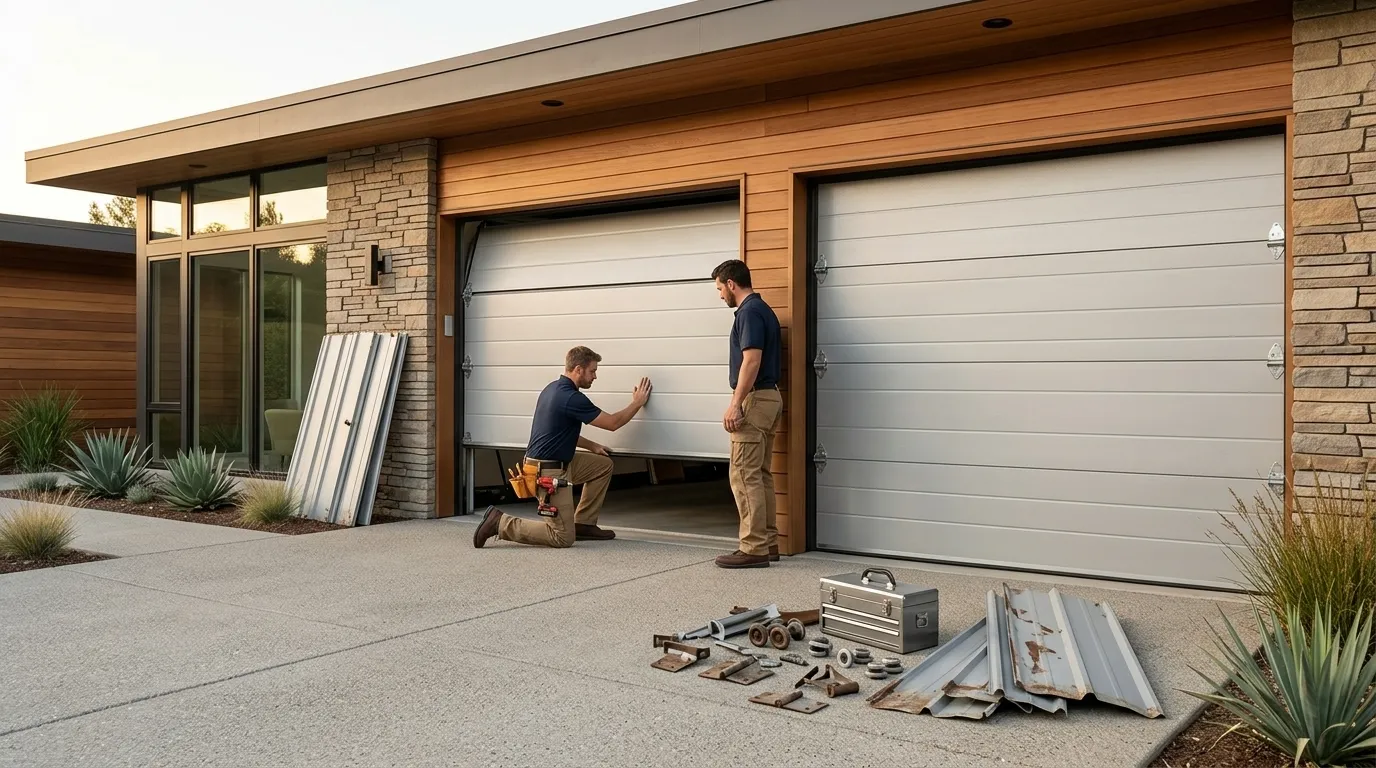
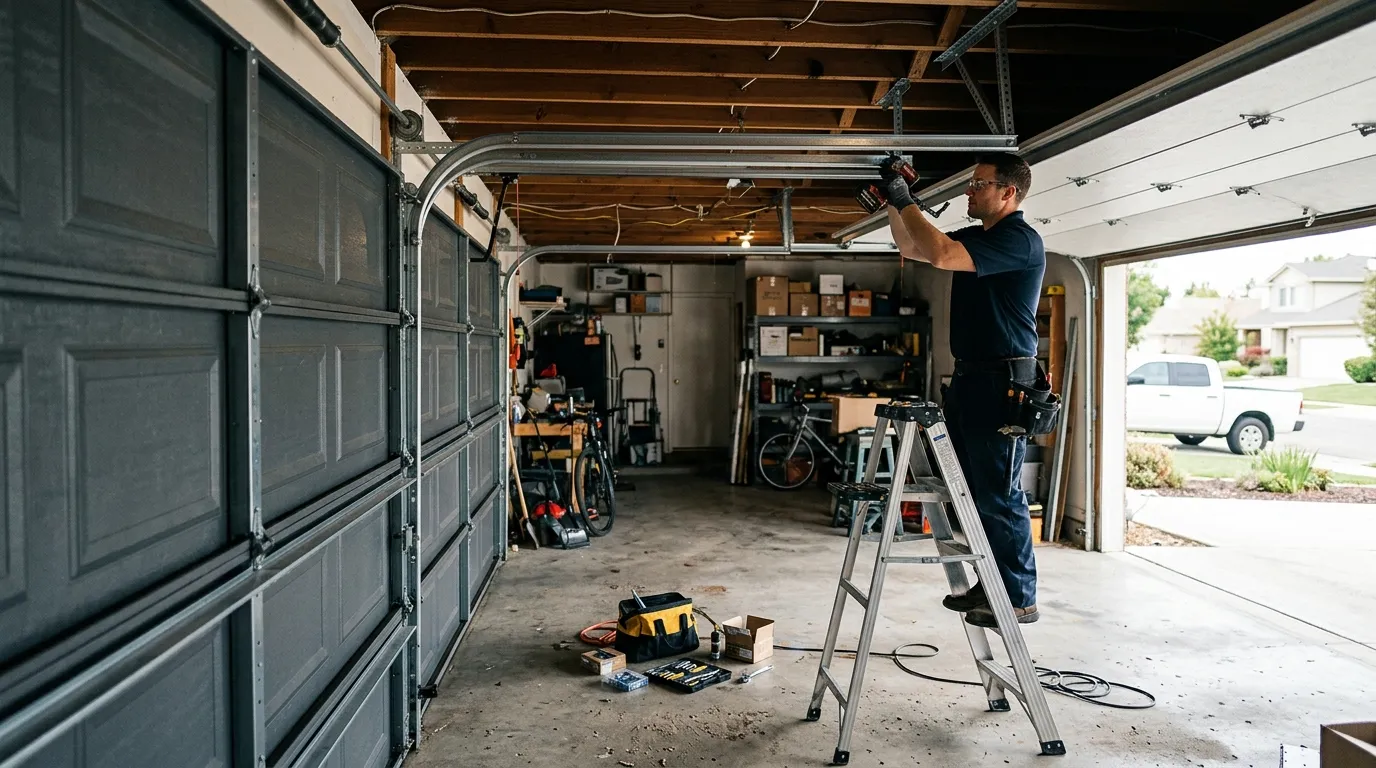
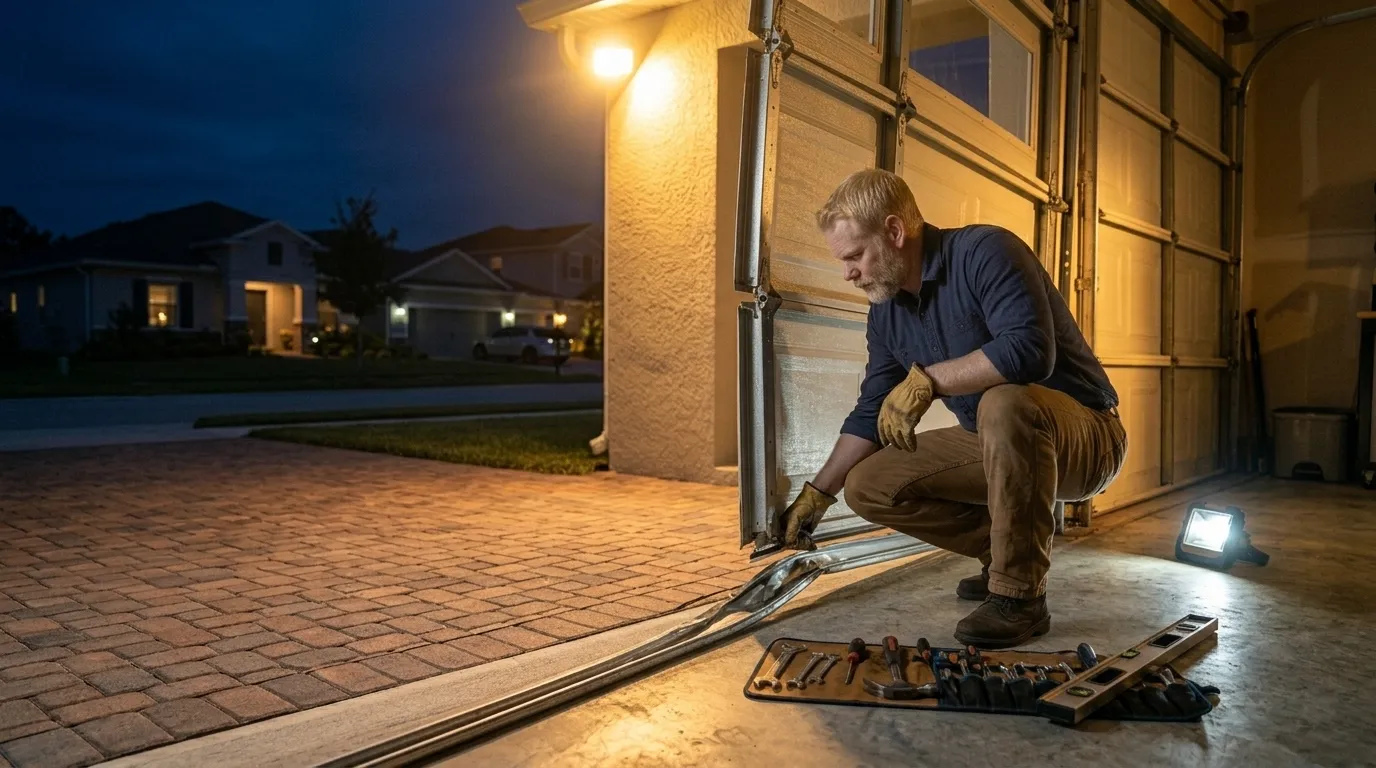
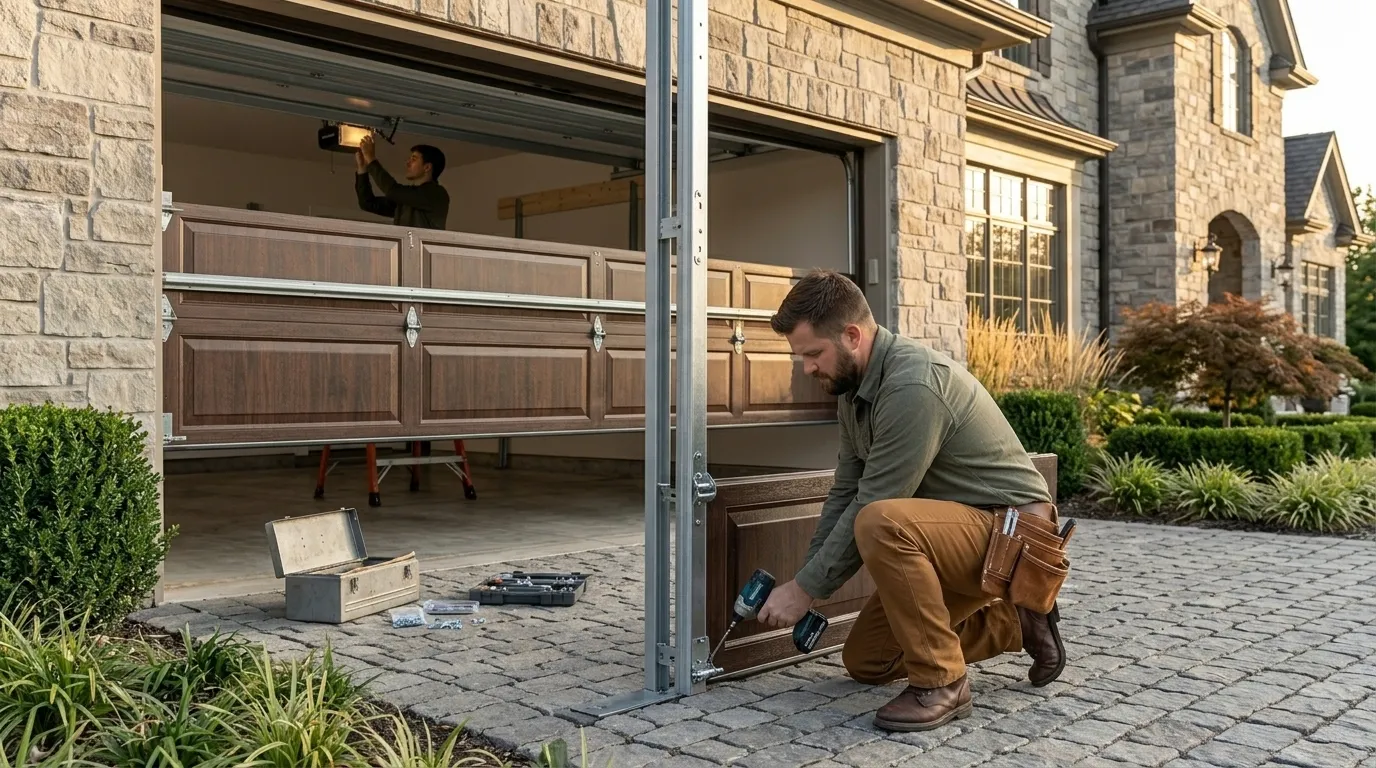
For a commercial bay door dating to the area's mid-80s build-out, the fix usually starts with pulling the door out of the cycle and inspecting the spring, drum, and track together rather than swapping one part in isolation - on hardware this old, a failing spring has often already put uneven wear on the rollers and track brackets around it. If the springs are original extension-style, we replace them as a matched pair rated for the door weight, not a single spring, since mismatched tension is what causes racking down the line.
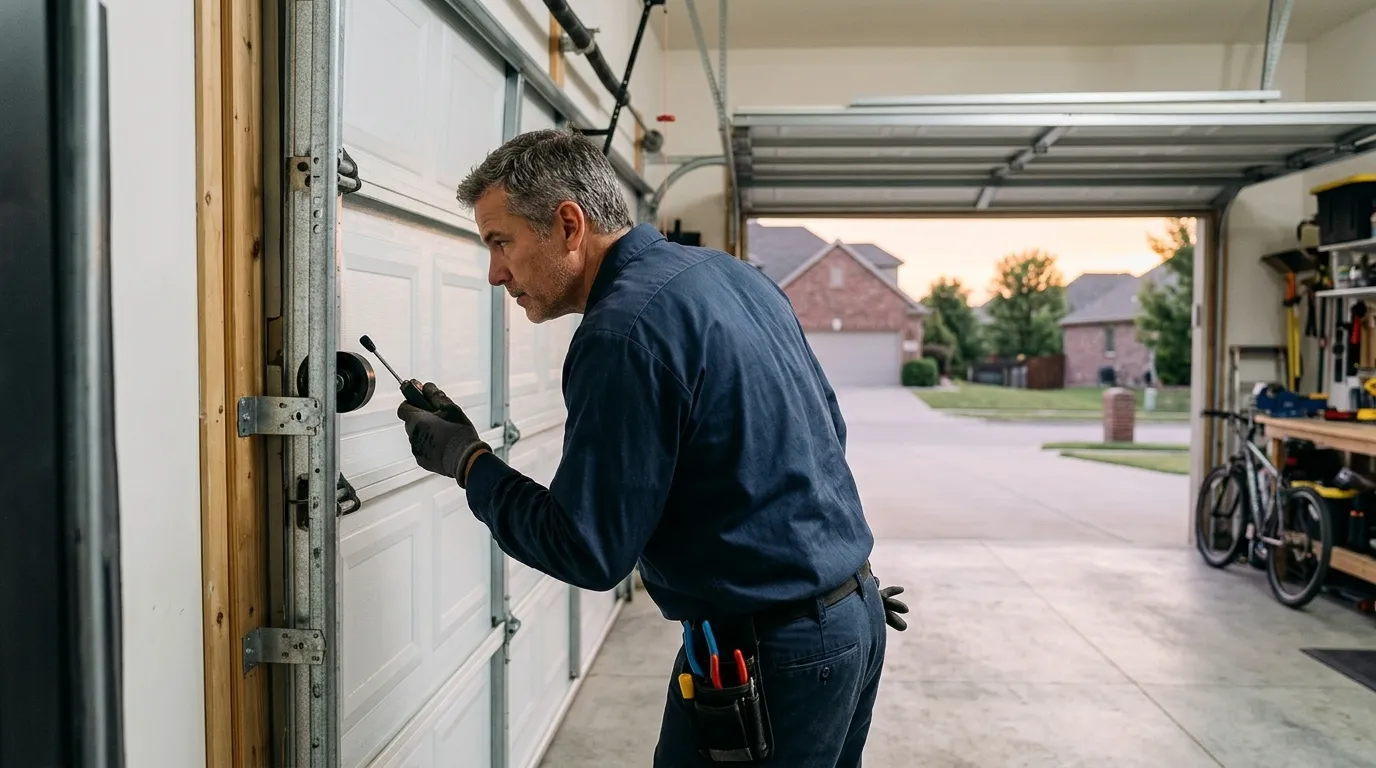
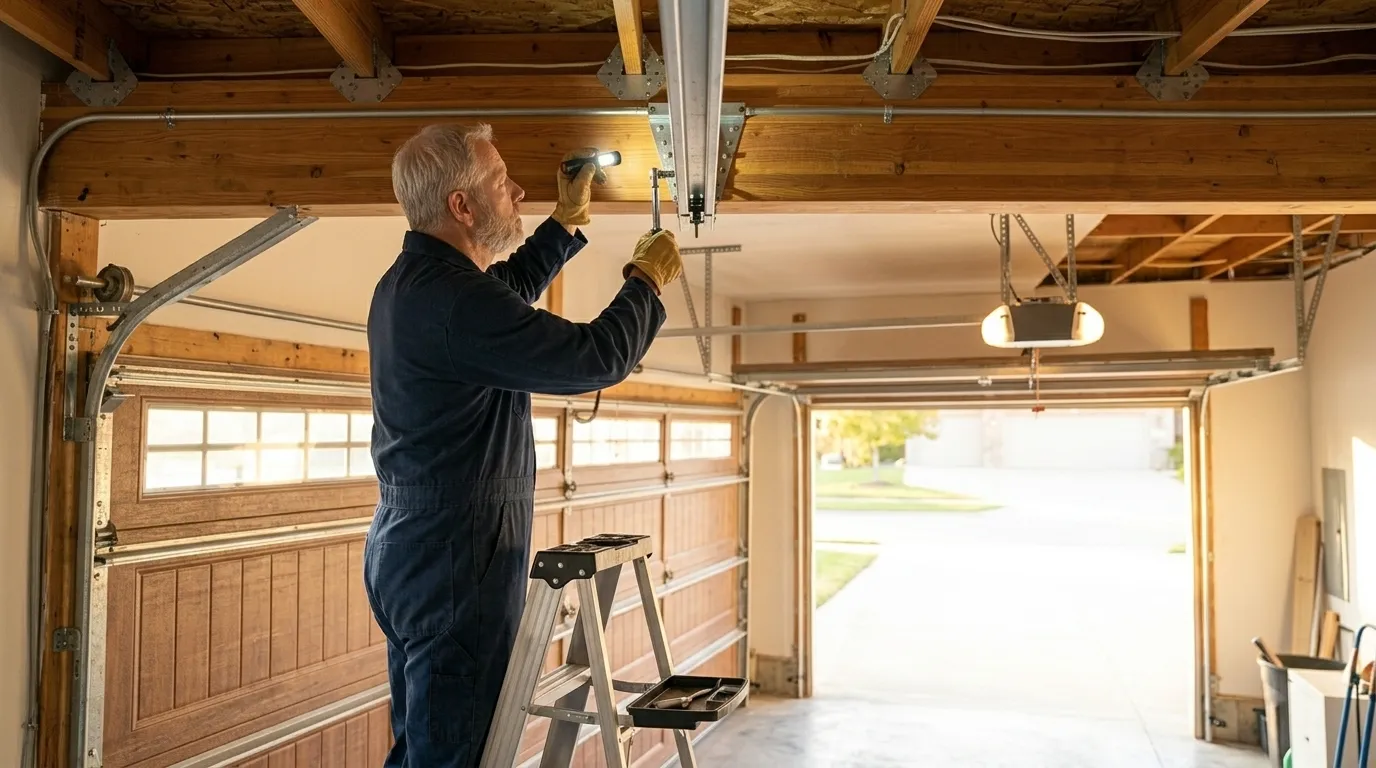
On the operator side, if it's a chain-hoist unit from that generation, we check the sprocket and chain tension before touching the motor - a stalling door is more often a mechanical drag than a dead motor. Where a relay or limit switch has failed and we can't source the original board quickly, we'll walk through whether a compatible modern replacement makes sense rather than waiting on an obsolete part.
Given the income level here and what a stuck bay door costs a business in downtime, most owners in Lindenhurst choose full spring and hardware replacement over a patch repair once the door's already original-equipment old - it costs more up front and less over the next several winters.
How it works
From “it’s stuck” to “it’s fixed”
1
Tell us what’s wrong
Describe the symptom - won’t open, loud bang, opener runs but the door won’t move.
2
On-site diagnosis
A technician tests the door under power and by hand and finds what actually failed.
3
Clear, up-front plan
You get the fix that’s needed and what drives the cost - before any work starts.
4
Repaired & tested
The repair is done, the door is set true and tested, and the work area left clean.
Serving Vernon Hills, IL - tell us what your door’s doing and we’ll take it from there.
Straight answers about garage door repair in Vernon Hills. Still unsure? Ask us directly.
Is there a Vernon Hills Garage Door Pros location in Lindenhurst?
No. We work out of Vernon Hills, about 13 miles away, and schedule Lindenhurst jobs as part of a route rather than promising same-hour arrival. Calling ahead with the door type and what it's doing lets us bring the right parts on the first trip.
Why do bay doors in Lindenhurst fail differently than in newer parts of the service area?
Lindenhurst's building stock centers on a median year built of 1986, so a lot of the commercial hardware here is still original extension-spring and chain-hoist equipment. Newer builds elsewhere in the service area went in with torsion springs and soft-start operators, which fail less often and less abruptly.
Can original 1980s operator parts always be replaced quickly?
Not always. Some sprockets, relay boards, and extension spring gauges from that era take longer to source than current stock. When that happens we'll tell you the lead time up front and talk through whether a compatible modern part makes more sense than waiting.