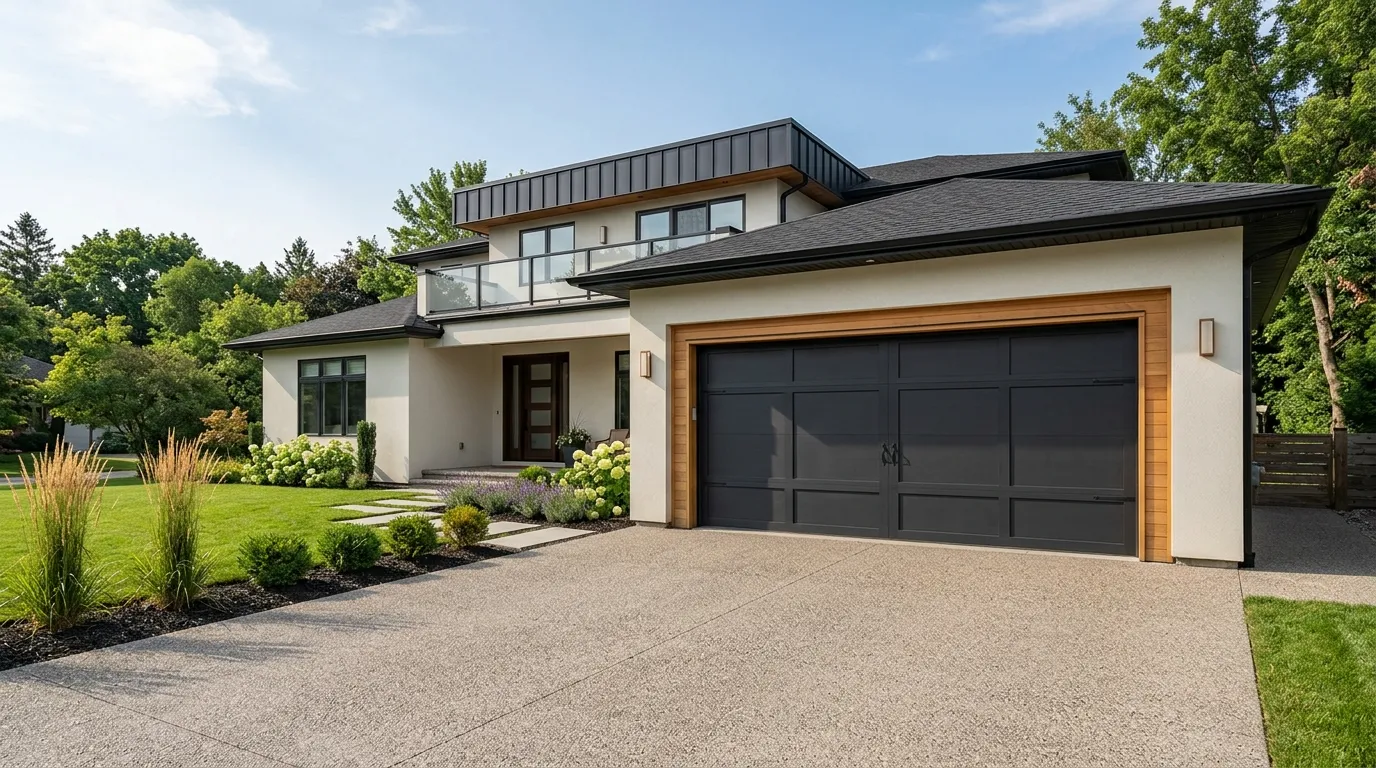
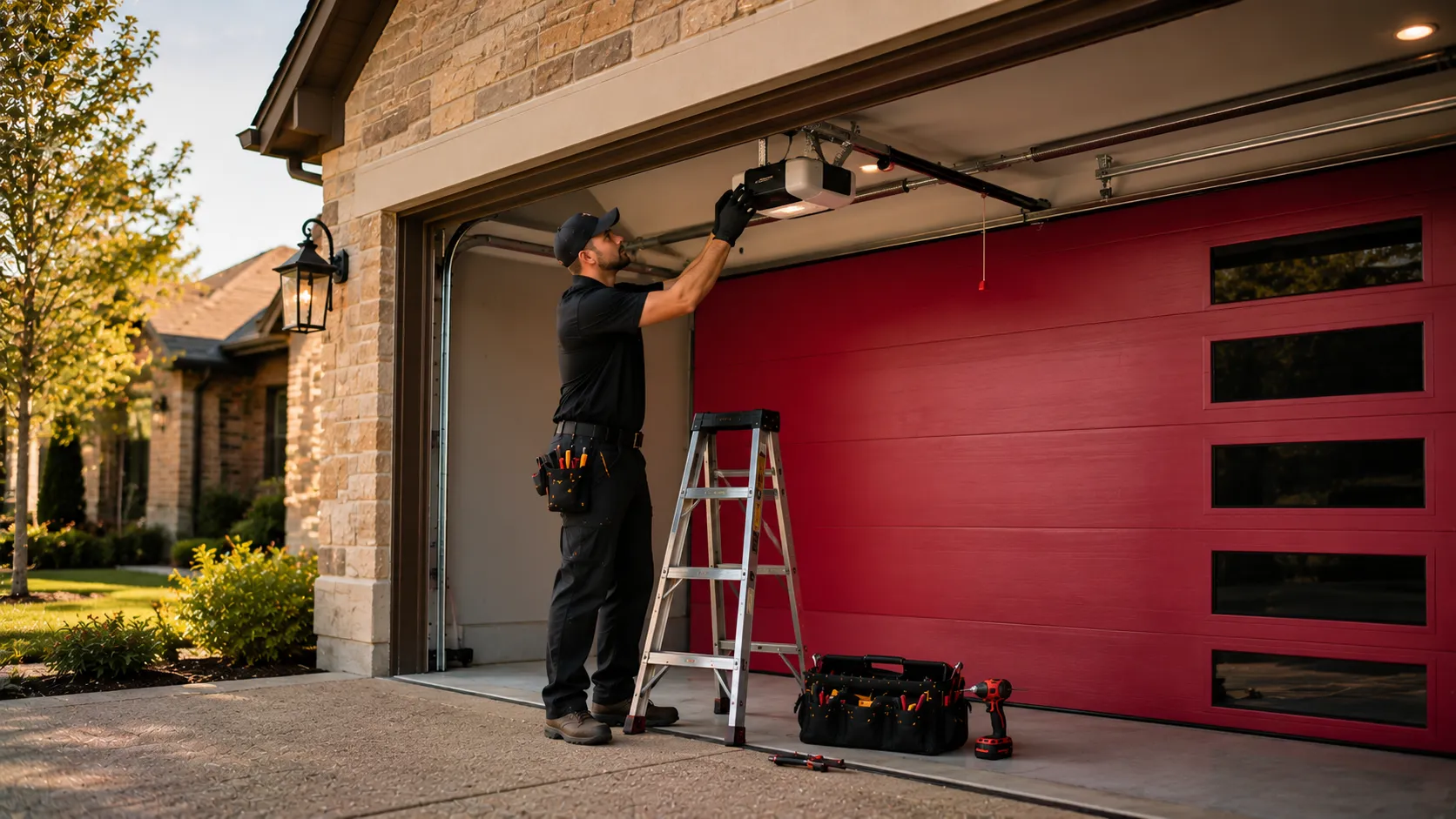
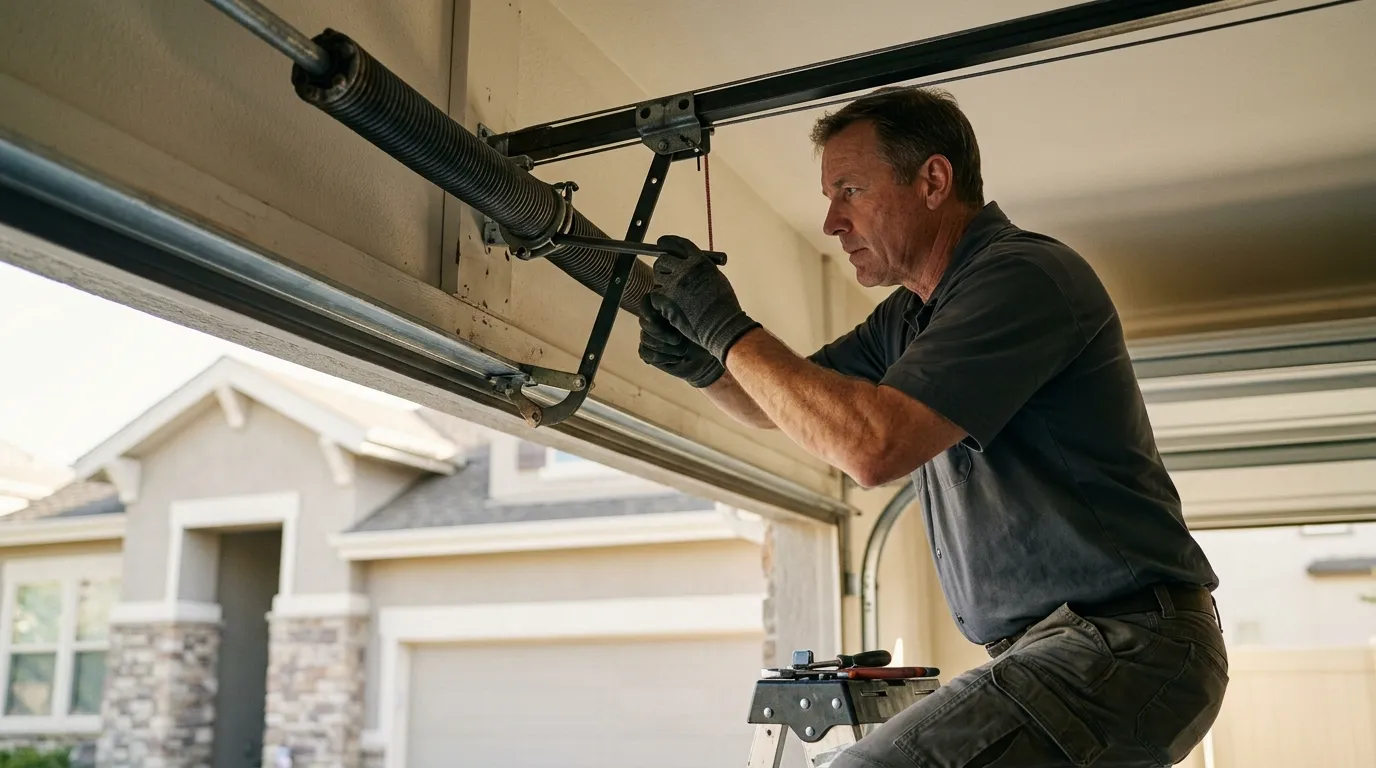
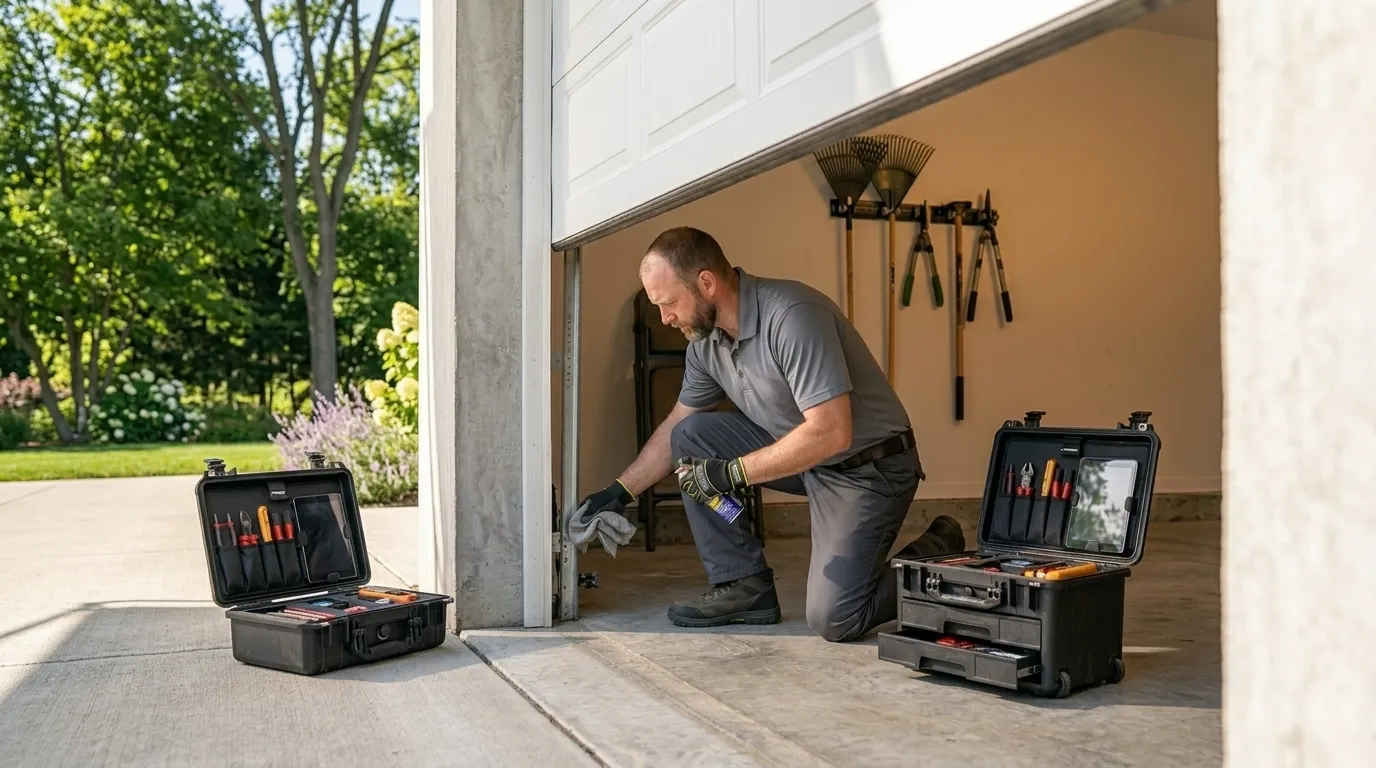
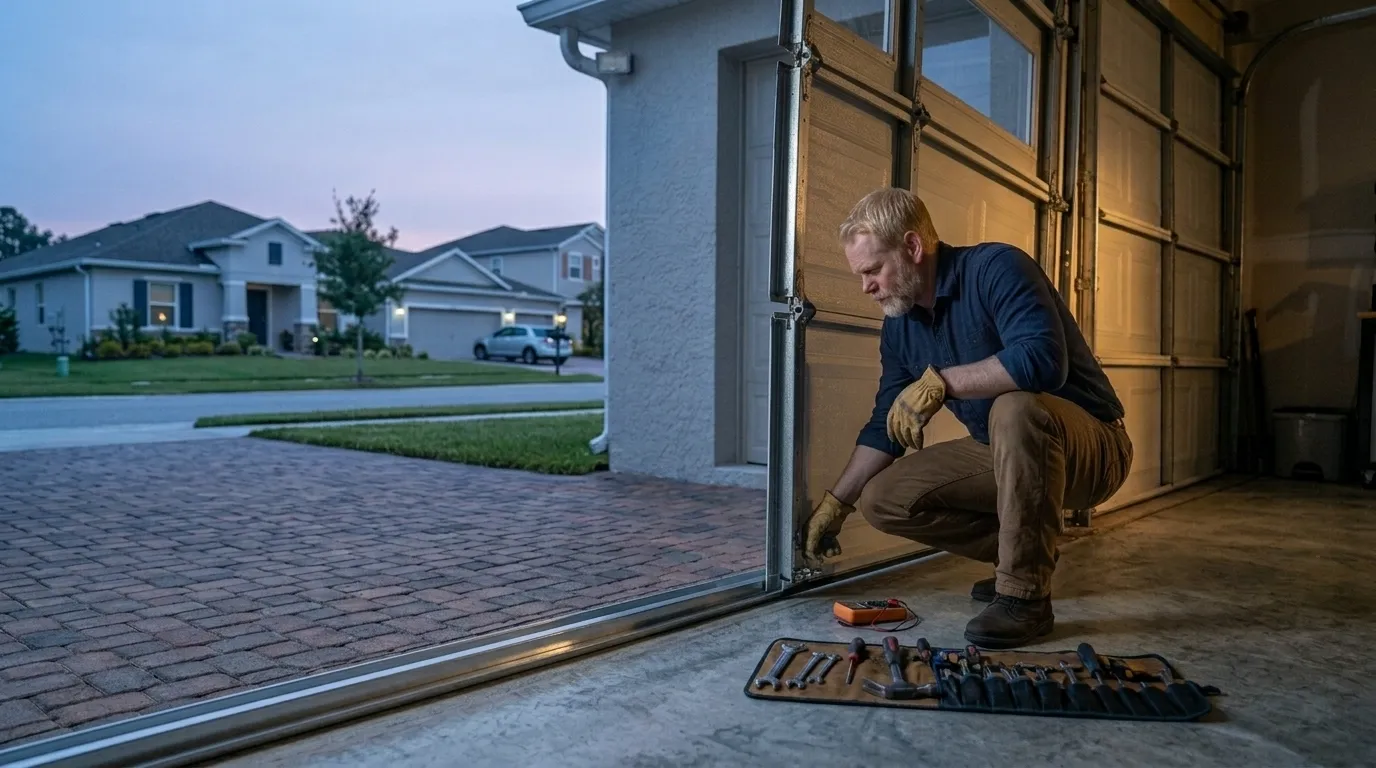
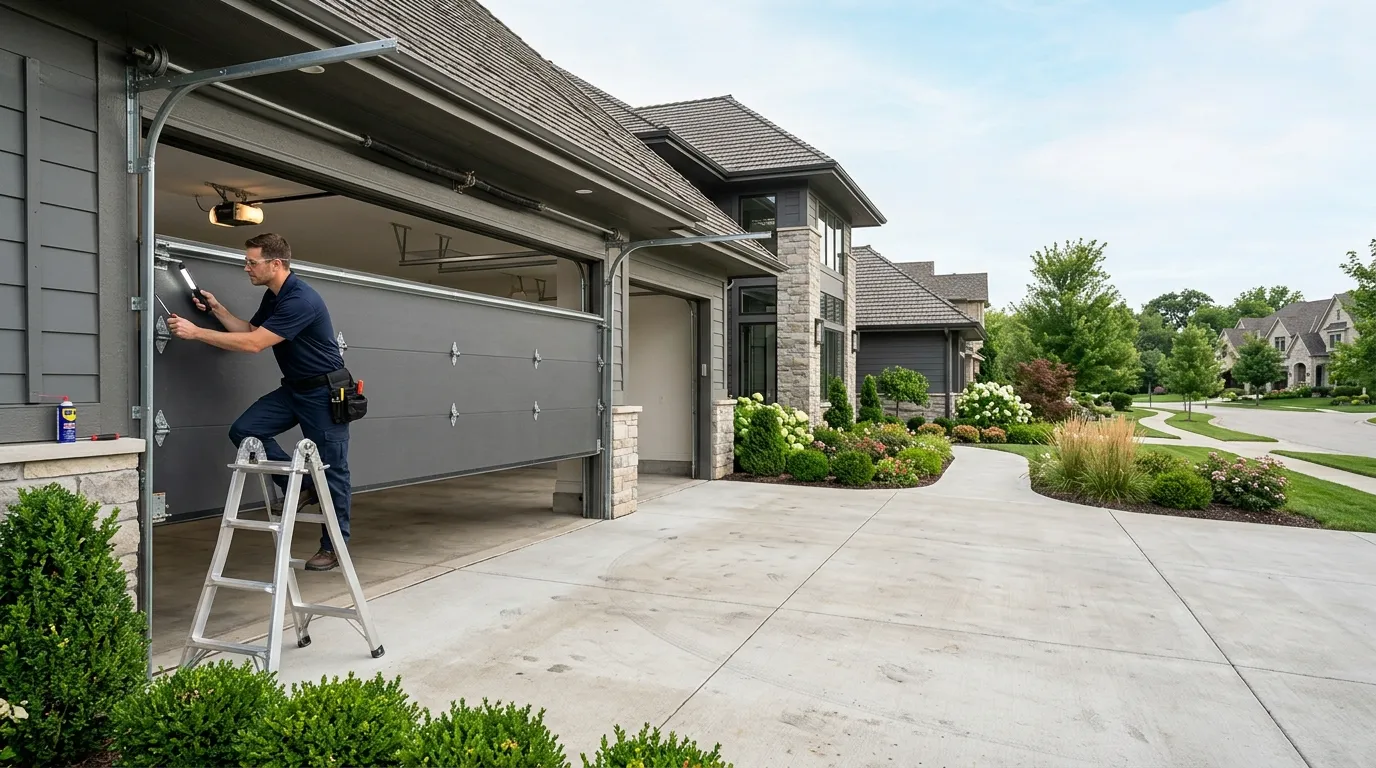
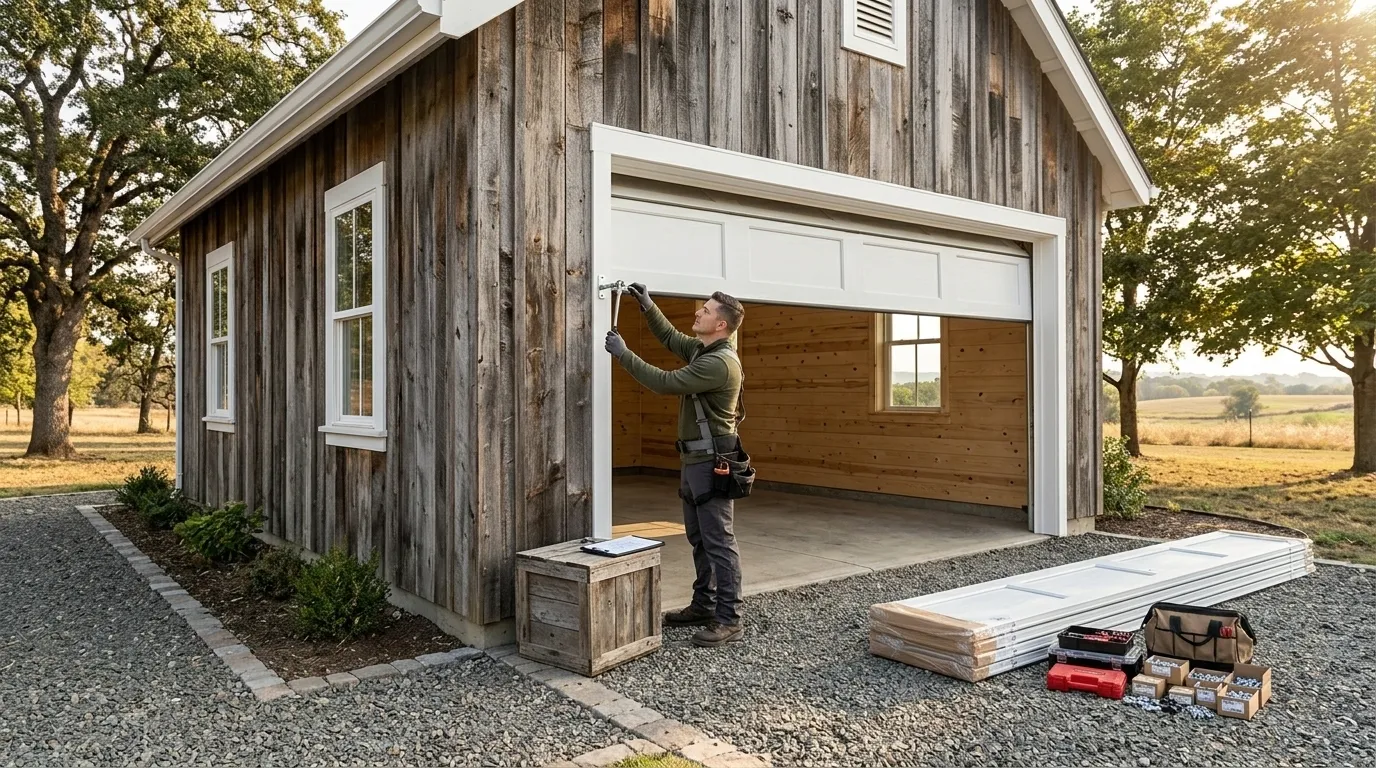
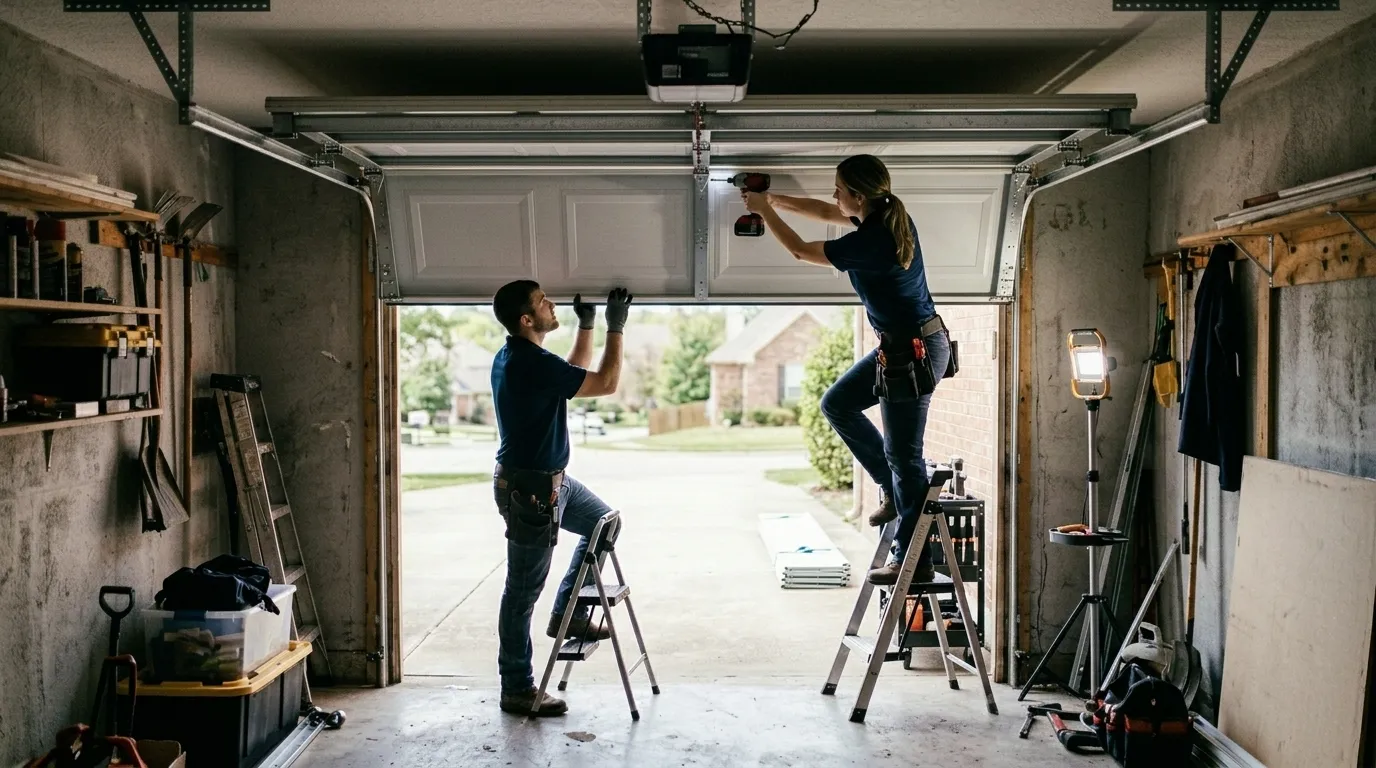
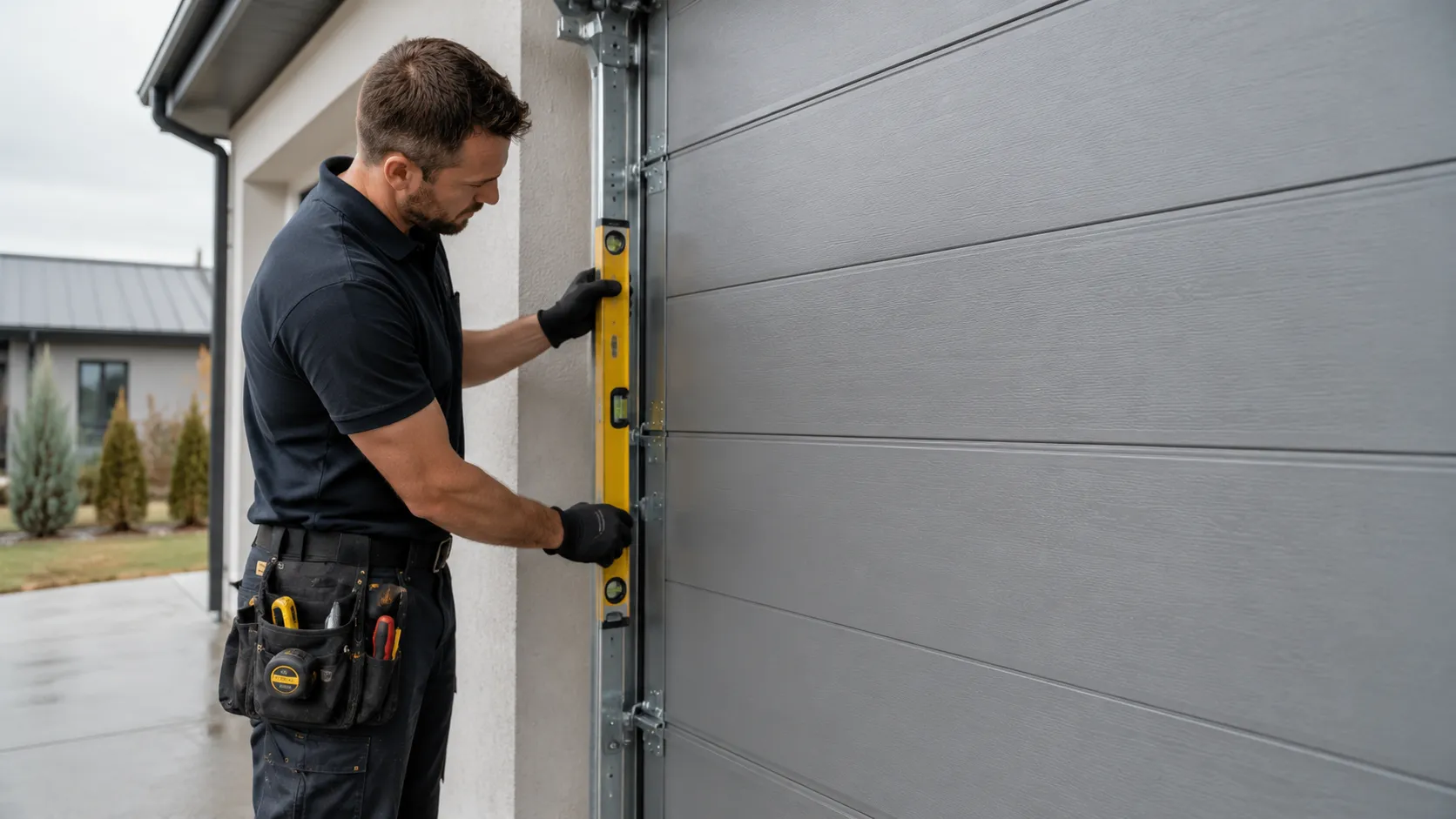
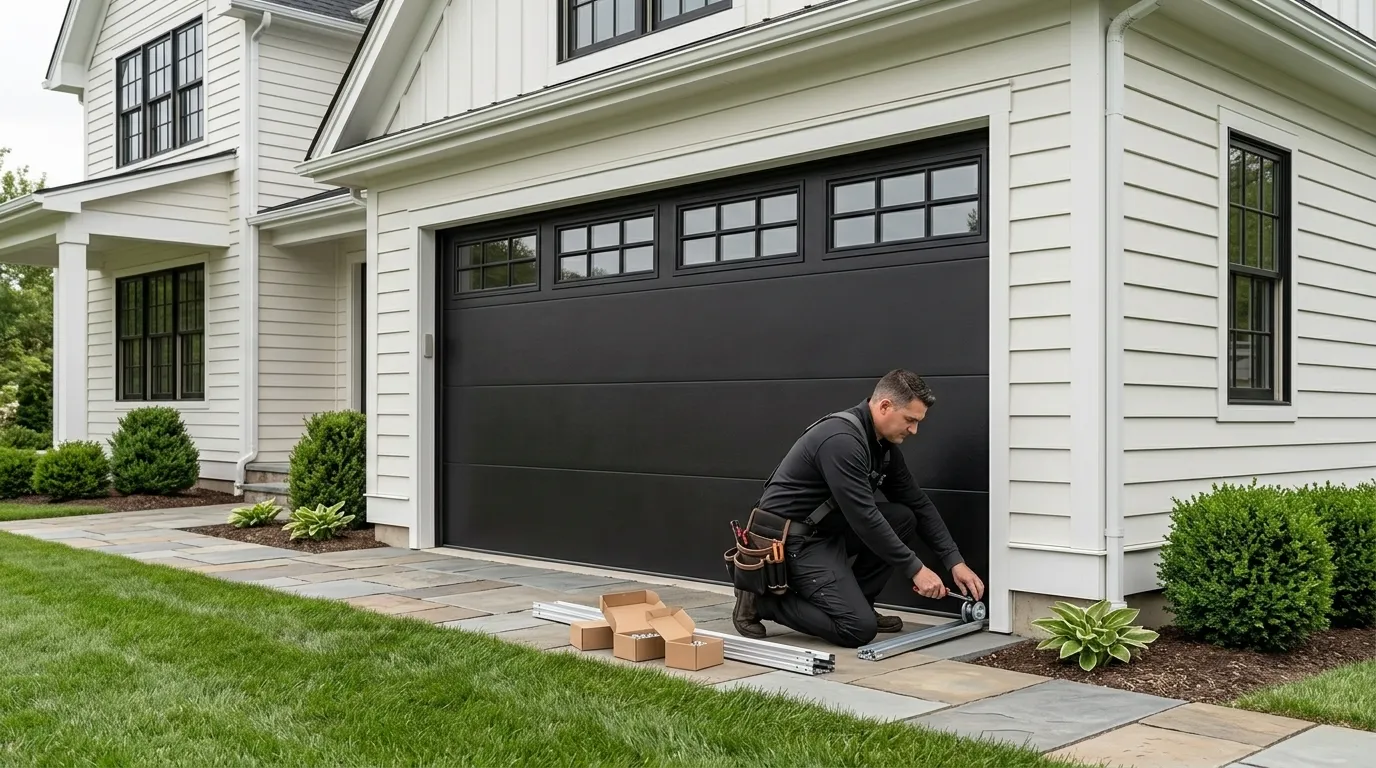
Round Lake Beach sits about 12 miles out from our Vernon Hills base, which puts it toward the far end of the runs we make in a given day. That distance doesn't change what's wrong with your door, but it does mean the truck gets loaded with the parts that fit what's actually out there before it leaves - not a guess made at your driveway. Most houses in this pocket of the service area went up around 1987, which puts a lot of them on torsion spring setups from the late 80s and early 90s rather than the older extension-spring systems you'd find in a town built out in the 1950s. That era of hardware uses standard torsion drums and a mounting pattern that's still easy to source, so a spring swap or cable replacement here is usually a same-visit job rather than an order-and-wait. Openers from that build window are aging out too - chain-drive units from the late 80s are past a normal service life and often failing at the drive gear rather than the motor, which matters when we're deciding whether to fix the unit or tell you to replace it. We bring what a house of that age typically needs, adjust from there once we're looking at your actual track and spring.
What Can Go Wrong
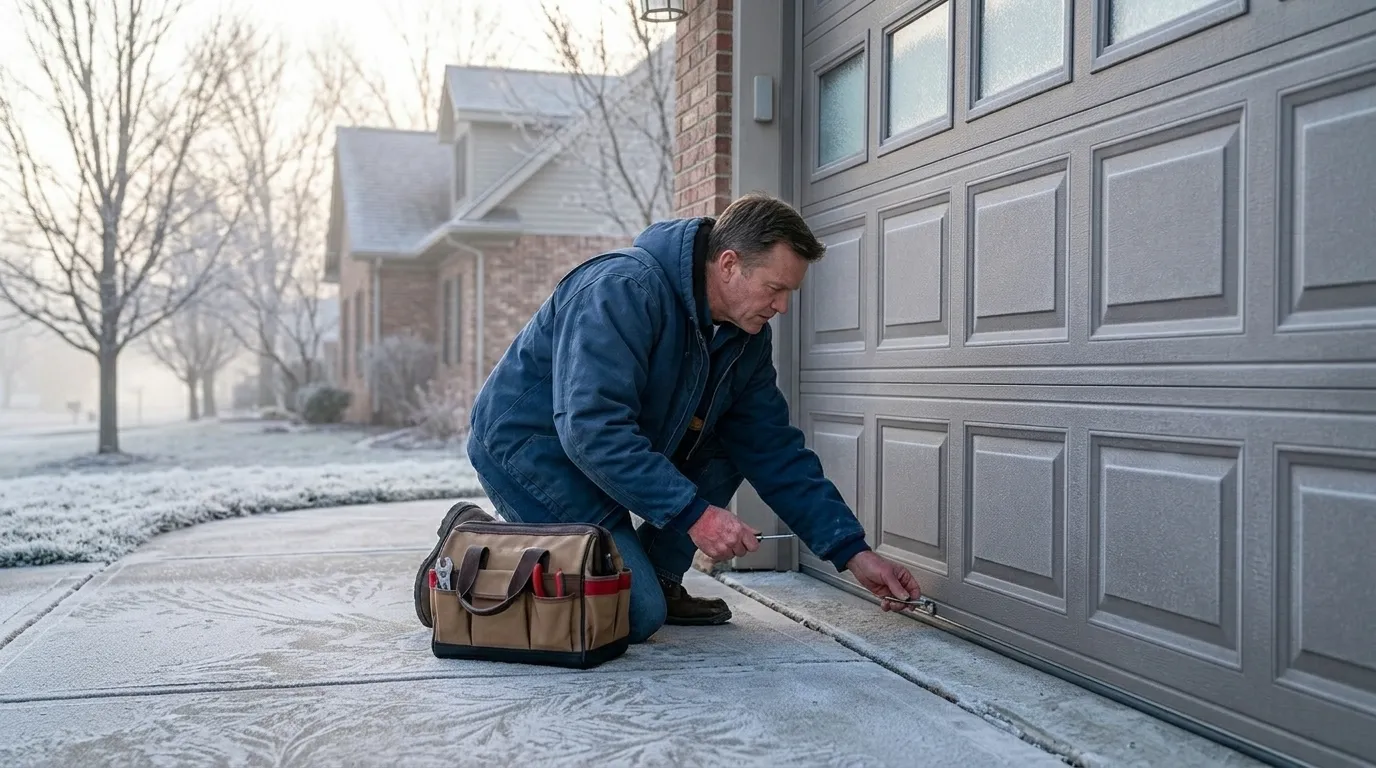
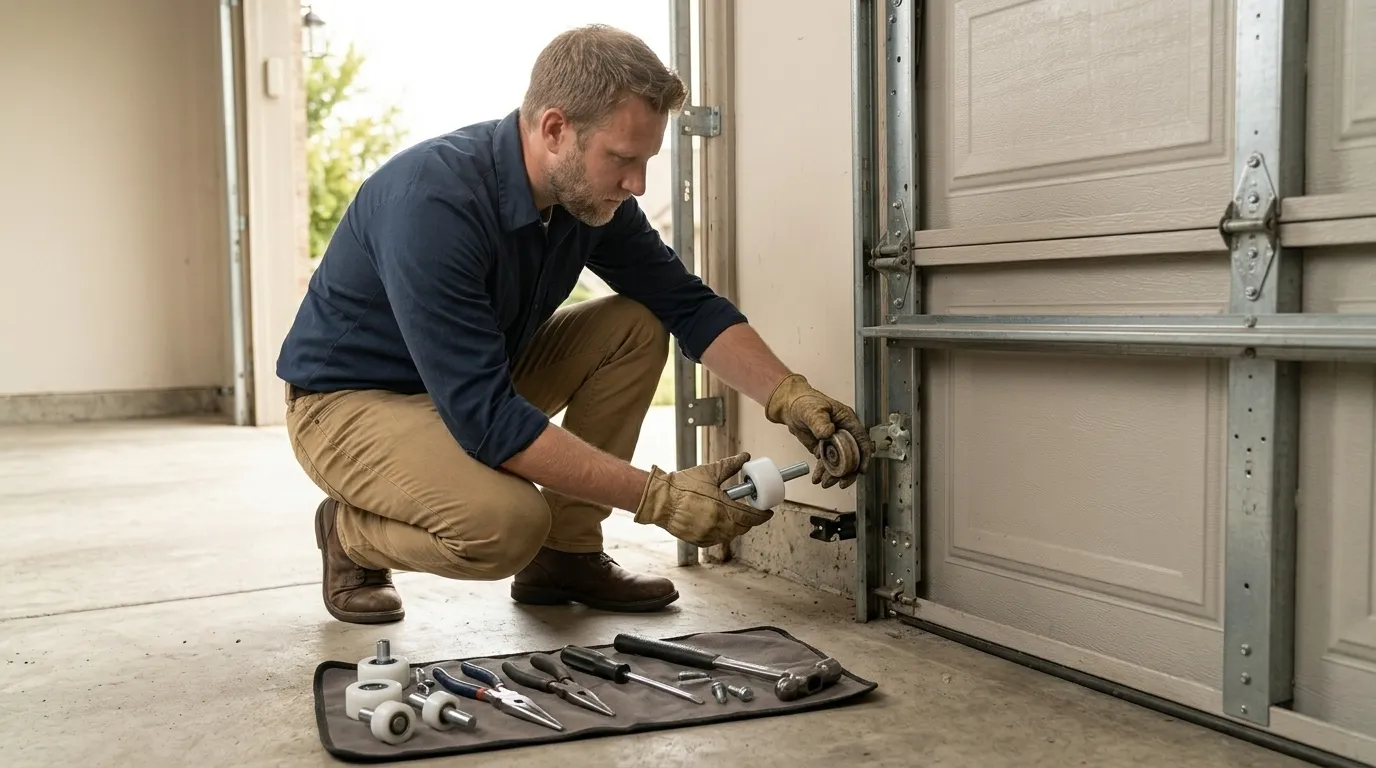
With a median build year around 1987, the doors we see in Round Lake Beach are old enough that original torsion springs are well past their cycle count but young enough that the track and drum hardware is still a common size - that's the sweet spot for a straightforward spring job instead of a hunt for obsolete parts. Rollers on 30-plus-year-old doors are usually the cheap steel kind that have worn grooves into the track, which shows up as a door that shudders or catches partway through its travel. Openers from that era rely on a scan of the safety sensors that were bolted on lower and closer to the floor than today's code calls for, and on an older home those sensors have often been knocked out of alignment by a bike or a mower rather than failed outright. We also see garage door bottoms that have taken on moisture damage over the decades, since this area sits in a cold-climate band where freeze-thaw cycling works on wood and composite panels every winter. None of that is exotic - it's just what three-plus decades of Illinois winters does to a door.
Time on the Job
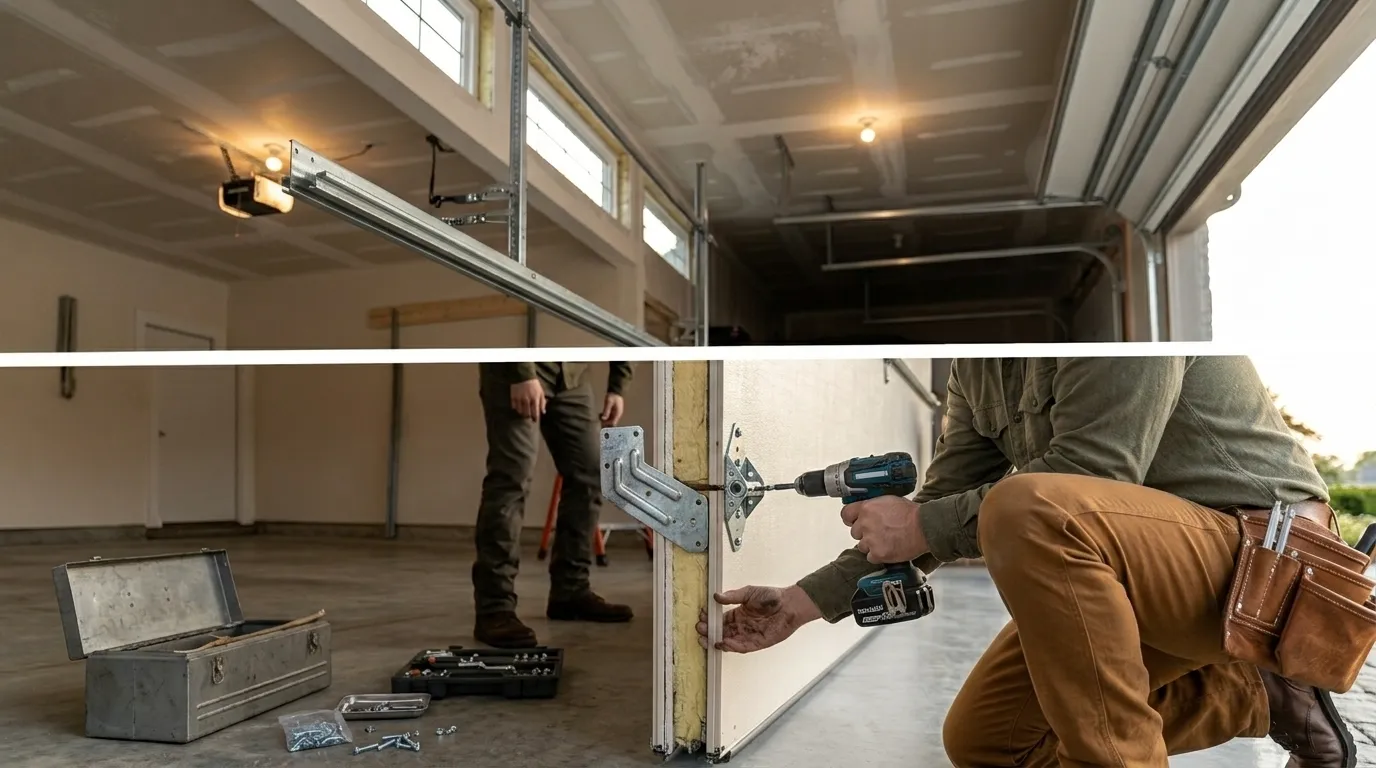
Because this call comes off a 12-mile drive rather than a five-minute one, we plan the parts before we leave rather than after we see the door - that's the practical effect of covering a service area this size from one base in Vernon Hills. A torsion spring replacement or a broken cable job on a standard double door usually runs under two hours once the truck is on-site, parts and all. Opener swaps take longer, generally half a day accounting for the mounting and wiring on an older unit that wasn't built for today's connected features. What we won't do is promise a same-day slot sight unseen - if a part turns out to be a size we don't carry standard, that's a second trip, and we'd rather tell you that up front than pretend otherwise. Given the median household income here runs lower than some closer-in parts of our service area, we try to give a straight number before starting work rather than padding a job with things that can wait.
How It Shows Up
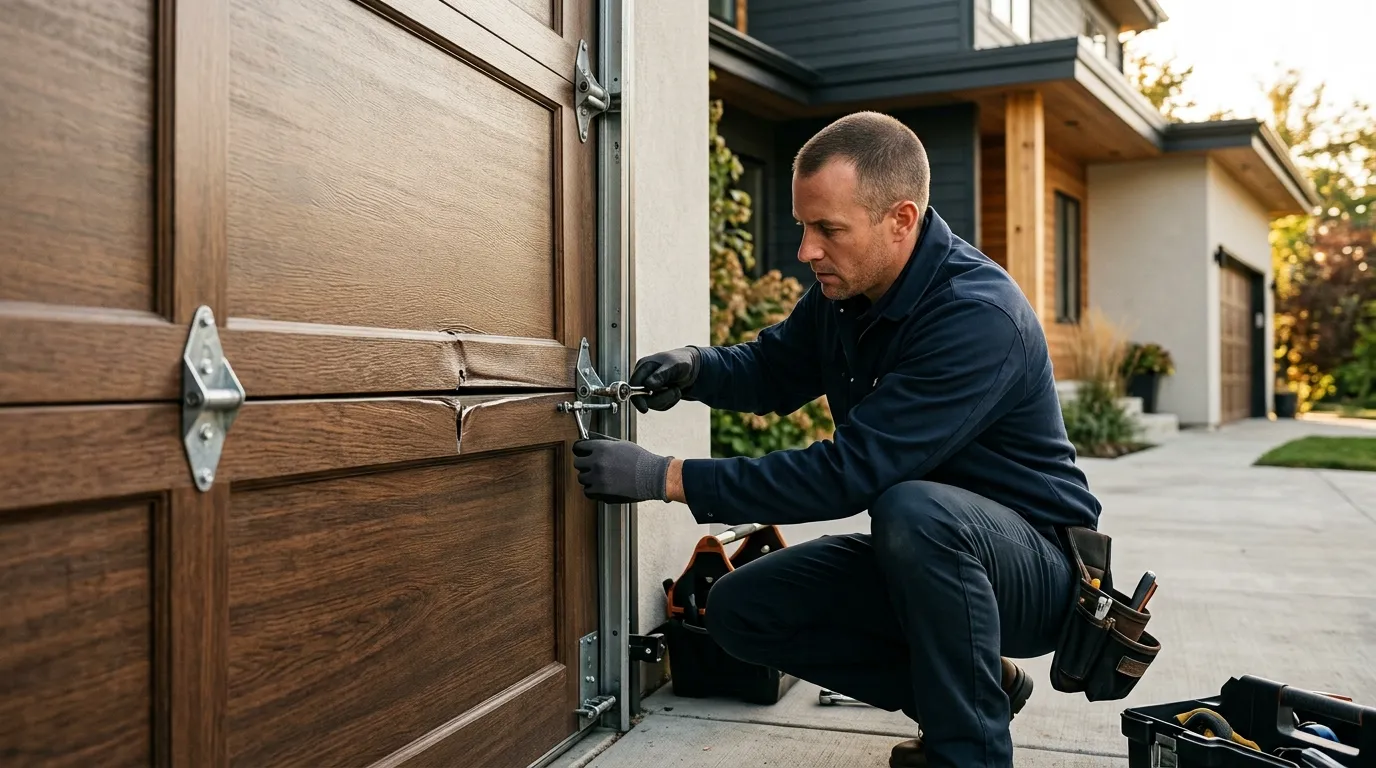
A door that's slow to open all the way, or one that reverses a few inches off the floor, is usually a sensor alignment issue on an opener that's a few decades old - cheap to fix once we're there. A loud bang followed by a door that won't budge is almost always a broken torsion spring, and on a house from this build era, it's a standard part we carry rather than a special order. If the door feels heavy to lift by hand and the springs look intact, worn rollers or a bent track are the likely culprits, especially on doors that have taken the brunt of thirty-plus Illinois winters. A door that opens fine but won't seal tight at the bottom often points to warped weatherstripping or a panel that's absorbed water over the years - common on homes built before better composite materials were standard. Whatever the symptom, tell us what you're seeing and how the door behaves when you describe the call; it saves time once the truck arrives.
How it works
From “it’s stuck” to “it’s fixed”
1
Tell us what’s wrong
Describe the symptom - won’t open, loud bang, opener runs but the door won’t move.
2
On-site diagnosis
A technician tests the door under power and by hand and finds what actually failed.
3
Clear, up-front plan
You get the fix that’s needed and what drives the cost - before any work starts.
4
Repaired & tested
The repair is done, the door is set true and tested, and the work area left clean.
Serving Vernon Hills, IL - tell us what your door’s doing and we’ll take it from there.
Straight answers about garage door repair in Vernon Hills. Still unsure? Ask us directly.
How far out is Round Lake Beach from your shop, and does that affect scheduling?
It's about 12 miles from our Vernon Hills base. We don't run a branch out there, so we load the truck for what a house built around 1987 typically needs before heading out, which keeps most calls to one visit instead of two.
Are the springs on my door a standard size?
Most houses in this area date to around 1987, which puts them on torsion spring hardware that's still a common size today. That's different from older extension-spring setups, and it usually means we carry the replacement on the truck already.
Is my opener too old to fix?
Chain-drive openers from the late 1980s are past a typical service life. If the motor or drive gear has failed, replacement is usually the better call than repair, and we'll tell you that instead of billing for a patch job.
Do you have a location in Round Lake Beach?
No, we run this call from Vernon Hills, about 12 miles away. We don't have a branch or drop-off point in Round Lake Beach itself.