Old Garage Doors and the Insulation Gap in Vernon Hills
Vernon Hills homes built between 1938 and 1984 often carry garage doors made before insulation codes tightened. Here's what that means for your door today.
Housing in this part of Lake County spans 1938 to 2009, with the median build landing around 1984 - right before energy codes started pushing insulated garage doors as the norm rather than the exception. That means a large share of the doors still hanging on Vernon Hills garages predate the rule changes entirely. A single steel skin with no foam core, no thermal break at the bottom seal, and a frame that was never meant to hold back a Midwest winter. Nobody built garages to keep heat in back then, because nobody had to. If your house falls on the older end of that 1938-2009 range, there's a decent chance your door is original or close to it, and it was never designed to do the job an attached garage in this climate actually needs from it.
This isn't a scare tactic about failing hardware. Plenty of these old single-layer doors still open and close fine. The issue is what happens on either side of the door - heat loss into an unheated garage, condensation on the inside skin, and a panel that flexes more than a modern insulated one under wind load. It's a design gap, not necessarily a mechanical one, and the two problems call for different fixes.
What to Check
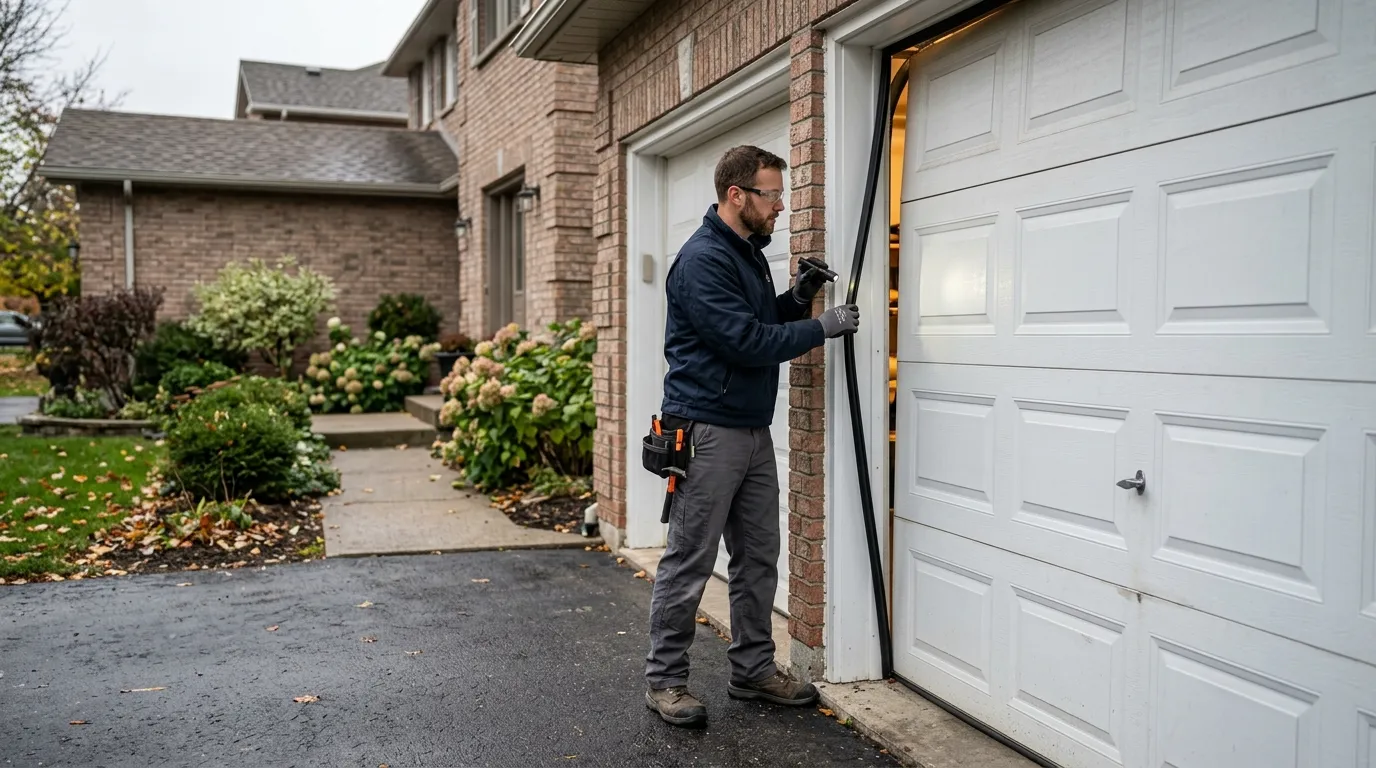
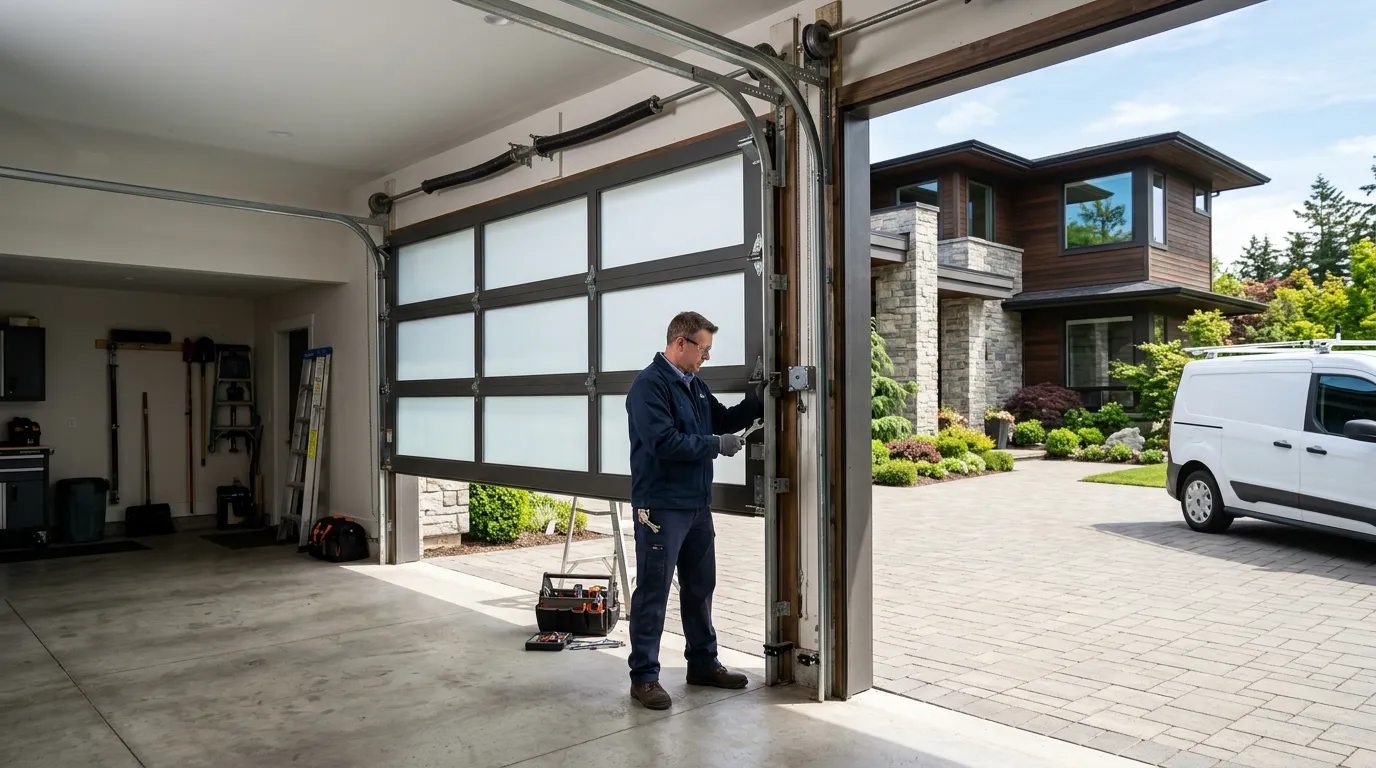
Start with the door itself, not the opener. Knock on a panel - a hollow, tinny sound means single-layer steel with no core. An insulated door built to current standards will sound and feel heavier, and usually has a visible foam or polystyrene backing if you look at the inside face. If your house was part of that 1980s-90s wave that makes up most of the stock across this area, check the bottom seal too. Original vinyl astragal gets brittle and cracks after three or four decades, and a cracked seal on an uninsulated door is where most of the cold air actually gets in - not through the panel itself.
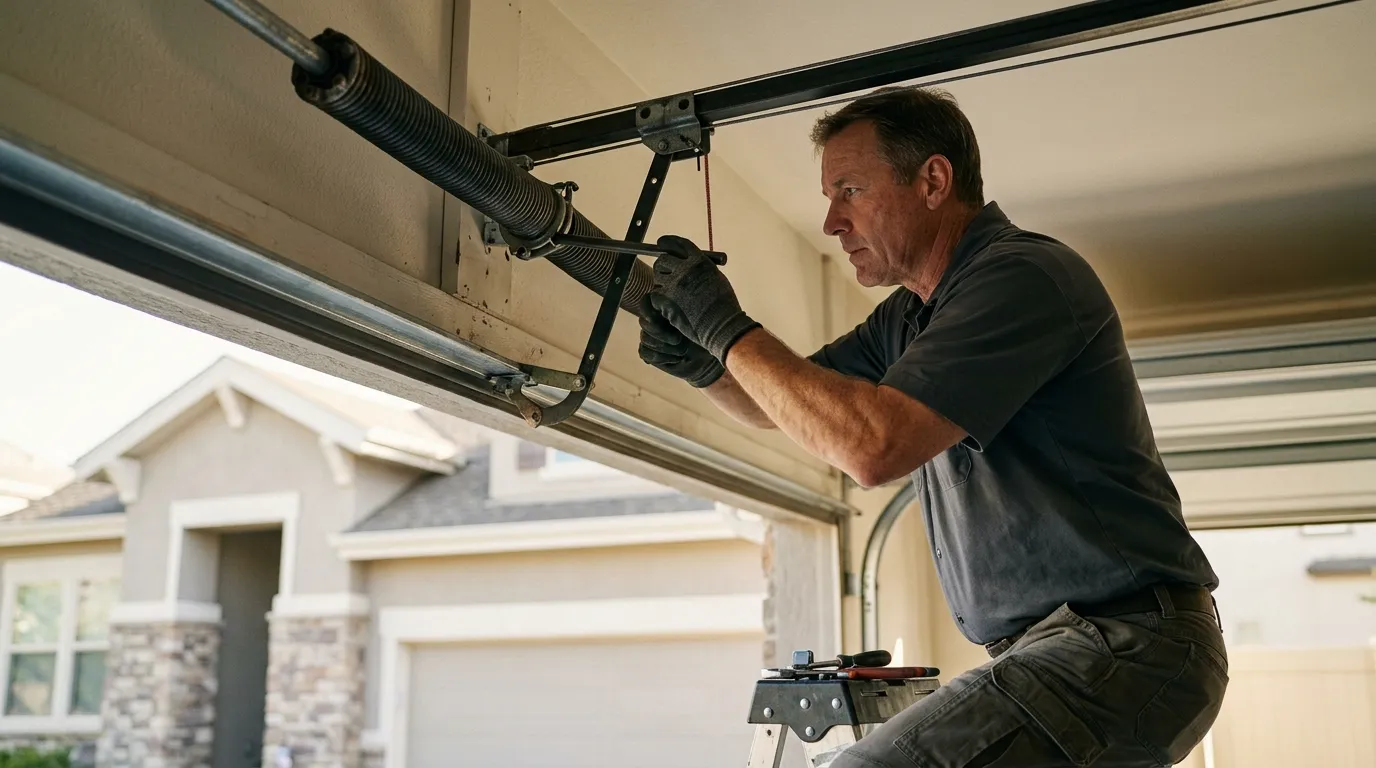
Look at the track and hinges while you're out there. Original hardware from a 1980s install has usually seen one spring replacement by now, sometimes two, and worn hinge pivots show up as a door that shudders partway through its travel. None of this means the door needs replacing today. It means you know what you're dealing with before a spring lets go in January and you're deciding fast instead of deciding well.
What Changes With the Season
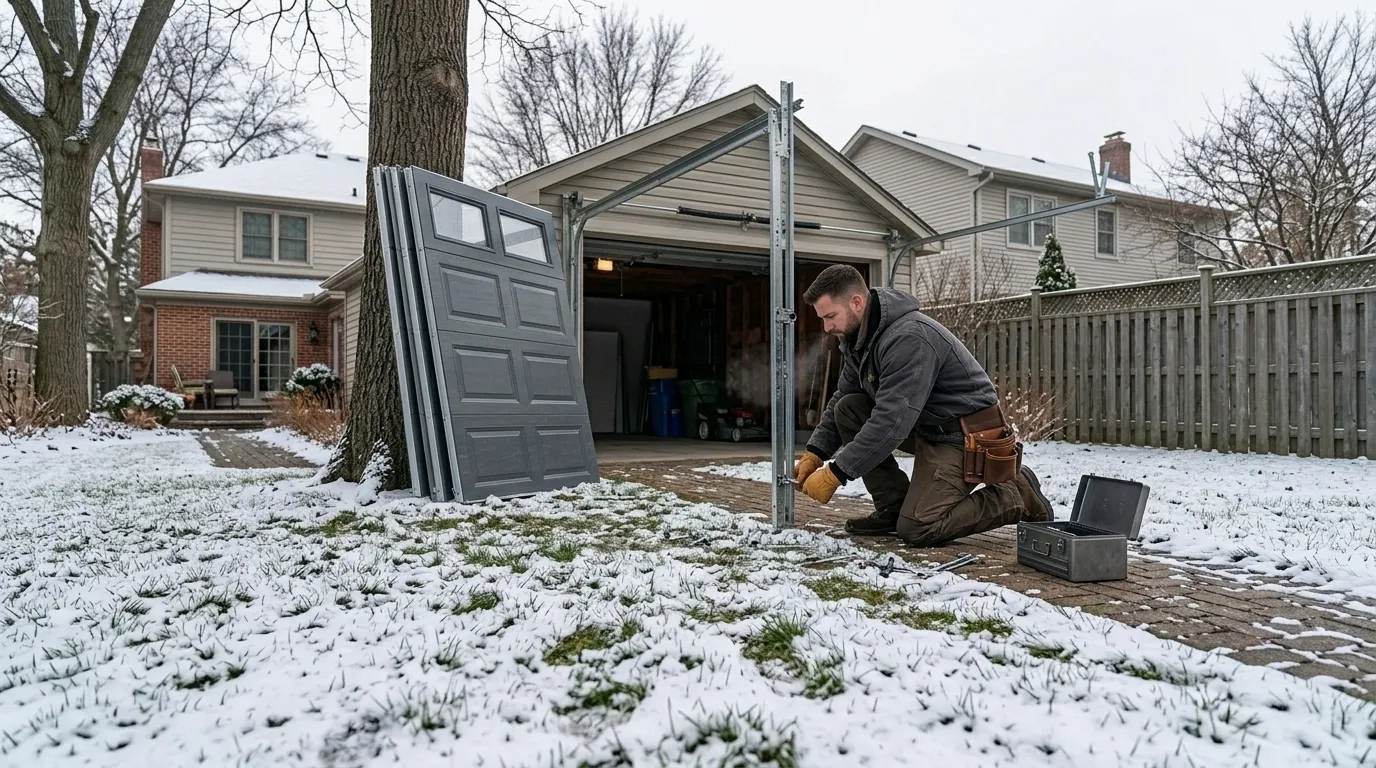
An uninsulated steel door built before insulation rules were common doesn't handle a moderate-cold climate the same way a modern one does. Steel contracts as temperatures drop, and on an older single-layer panel with no foam backing to hold its shape, that contraction shows up as new gaps at the edges by mid-winter - gaps that weren't there when you last looked in September. The seasonal check that actually matters here isn't the opener sensors, it's the seal and the panel fit, because those are what an original 1980s-era door starts losing first as the temperature swings.
Come spring, the reverse happens: the steel expands back, and if a track bolt worked loose during the cold months, you'll hear it before you see it - a rattle on the way up that wasn't there in December. On a door built to current insulation standards this movement is smaller because the core adds rigidity. On an older door, it's worth the two minutes to check twice a year rather than once.
What the Weather Here Does to It
This area sits in a cold, moderate climate band, which means the door lives through real freeze-thaw cycling every winter rather than one long cold stretch. That cycling is hard specifically on doors built before insulation rules tightened, because the metal moves more without a foam core to dampen it, and repeated movement is what eventually pulls a bottom bracket or works a hinge screw loose. Ice at the bottom of the track is the other issue - moisture that gets past an old, cracked seal freezes overnight and can grip the door shut or make the opener strain against something it shouldn't have to.
We won't tell you every original door needs replacing before next winter - plenty of them keep working for years with a new seal and a spring swap. But if yours is showing the hollow-panel sound and the seal is already cracked, patching the seal alone treats one symptom of a door that was built for a different set of expectations than the ones this climate puts on it.
How it works
From “it’s stuck” to “it’s fixed”
1
Tell us what’s wrong
Describe the symptom - won’t open, loud bang, opener runs but the door won’t move.
2
On-site diagnosis
A technician tests the door under power and by hand and finds what actually failed.
3
Clear, up-front plan
You get the fix that’s needed and what drives the cost - before any work starts.
4
Repaired & tested
The repair is done, the door is set true and tested, and the work area left clean.
Serving Vernon Hills, IL - tell us what your door’s doing and we’ll take it from there.
Straight answers about garage door repair in Vernon Hills. Still unsure? Ask us directly.
How do I know if my garage door predates insulation codes?
Check the build year of your house against 1938-2009 for this area, with most stock from the 1980s-90s. If your house is on the older end and the door looks original, knock on a panel - a hollow sound means single-layer steel with no insulation core, which was standard before codes changed.
Is it worth insulating an old single-layer door instead of replacing it?
Retrofit kits exist, but they add weight, which stresses springs and hinges built for a lighter panel. On a door already decades old with worn hardware, that extra load often isn't worth it. We'll tell you honestly if your specific door and hardware can handle it or if replacement makes more sense.
Why does my old door get gaps at the edges every winter?
Steel without a foam core contracts more as temperatures drop through a cold winter, and that shrinkage opens gaps at the panel edges that close again once temperatures rise. It's normal movement for an uninsulated door, but it's also why the seal wears out faster than on an insulated one.