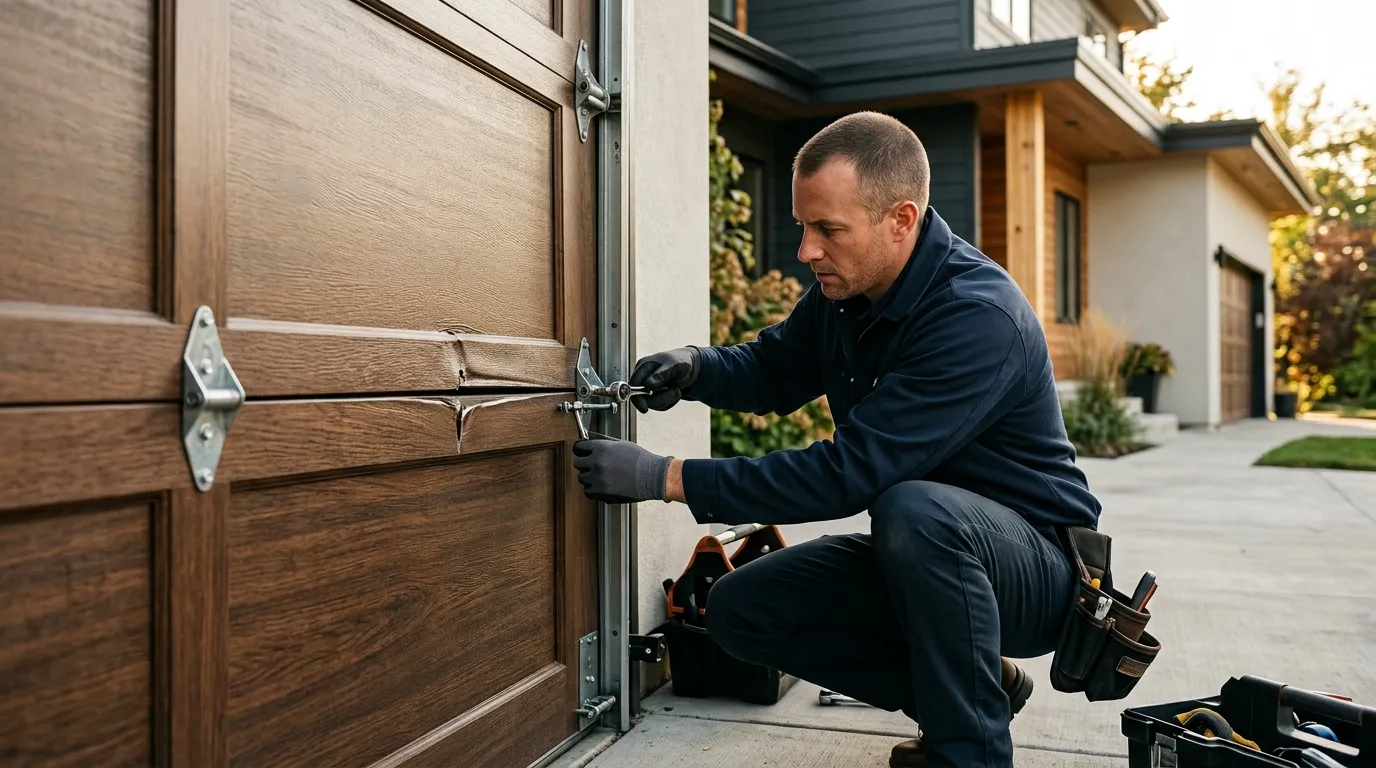
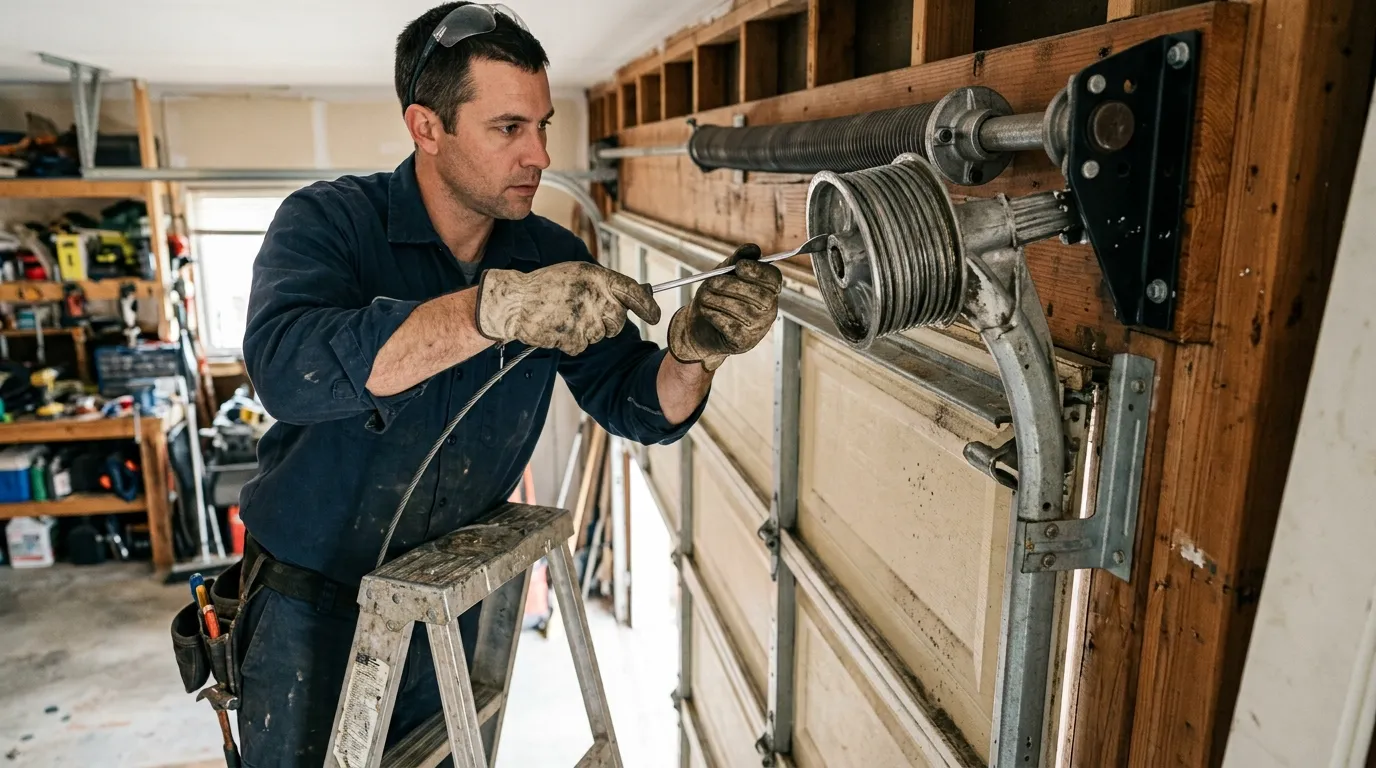
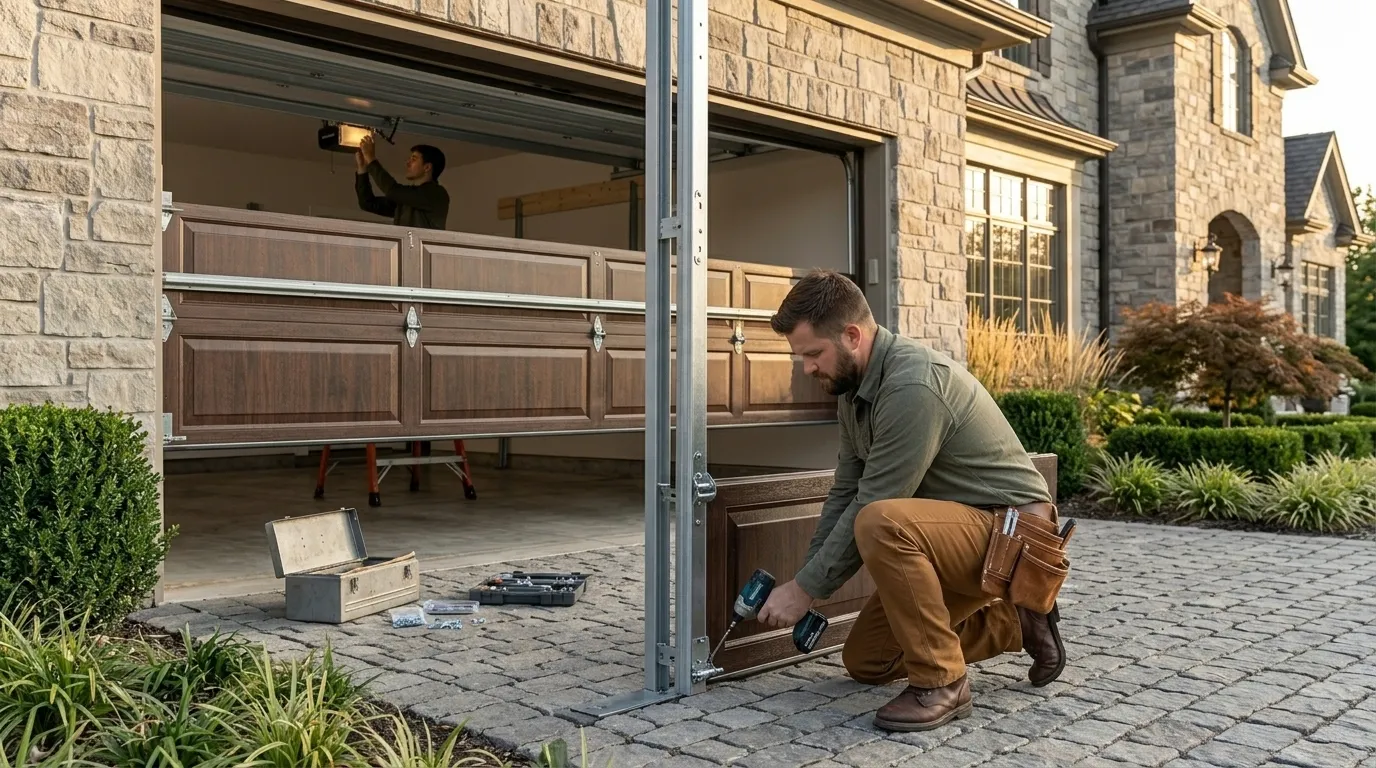
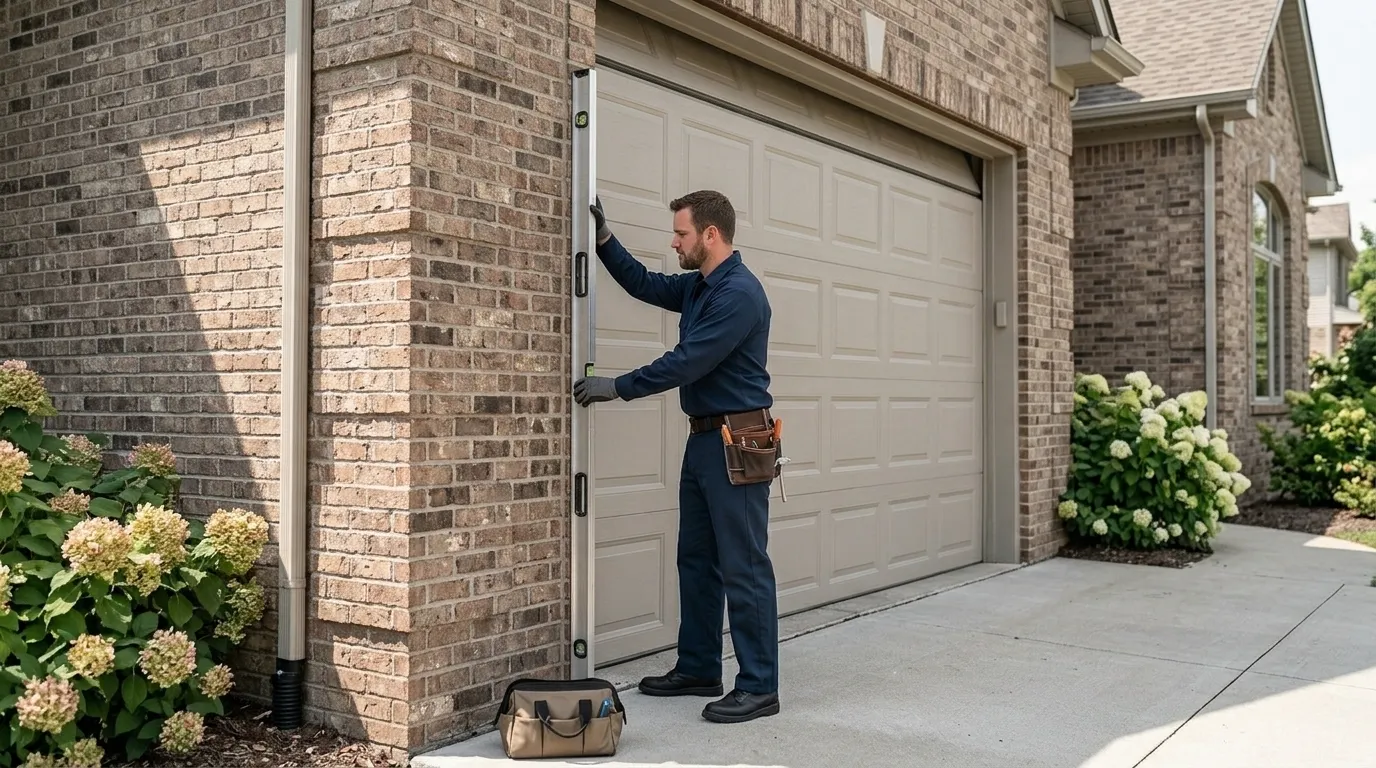
Housing in this part of Lake County went up between 1938 and 2009, with the median build year landing around 1984. That means a lot of the doors we get called out on aren't from some vague "old house" era - they're the original steel sectional doors that came with a mid-1980s or 1990s build, still hanging on the same torsion spring and the same steel track the builder put in. Across the 65 named areas we cover, that 1980s-90s stock is the norm, not the exception, so a door pushing 35 or 40 years old is common, not unusual.
Whether that door is worth fixing comes down to what's actually failed. A snapped torsion spring, a bent hinge, a dead opener, worn rollers - none of that means the door itself is done. The steel panel underneath a 1980s door was built heavier than a lot of what gets installed today, and if the panel is straight and the track is square, repair almost always beats replacement on cost. Where it stops making sense is when the panel has rusted through at the bottom, the door is out of square from years of an unbalanced spring, or the model is old enough that matching parts have to be custom-ordered. At that point you're paying repair prices for a door that's going to need the same call again in a year.
What to Check
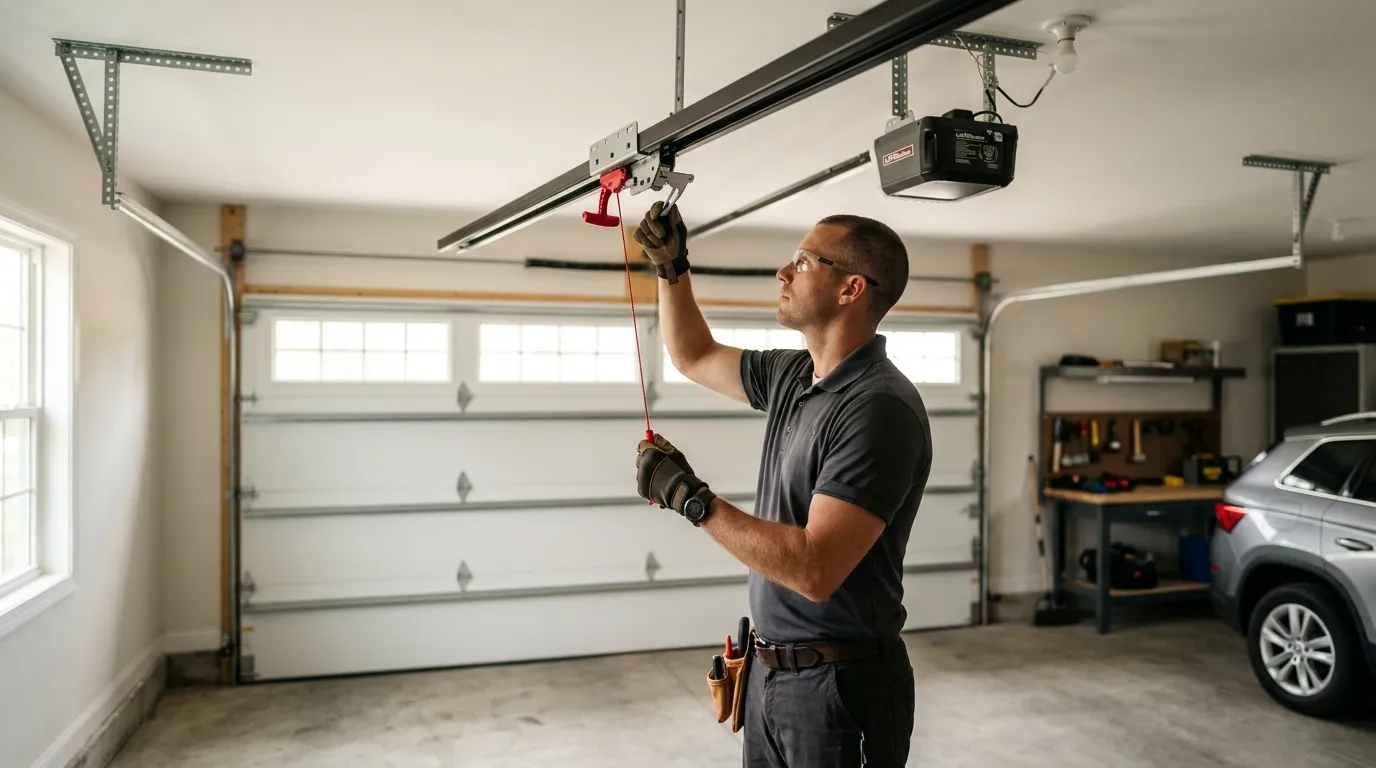
Before you decide anything, look at four things. First, the bottom panel - rust-through or wood rot at the bottom section is the one thing that usually can't be patched and points toward replacement. Second, balance: disconnect the opener, lift the door by hand to waist height, and let go. If it holds, the spring is doing its job. If it drops or shoots up, the spring is worn or wrong for the door's weight, which is a repair, not a replacement, issue. Third, the track - bent or dented track from a car bump can usually be swapped section by section without touching the rest of the door. Fourth, the opener's age and sound. A motor that grinds or has started slipping the chain is often cheaper to replace outright than to keep patching.
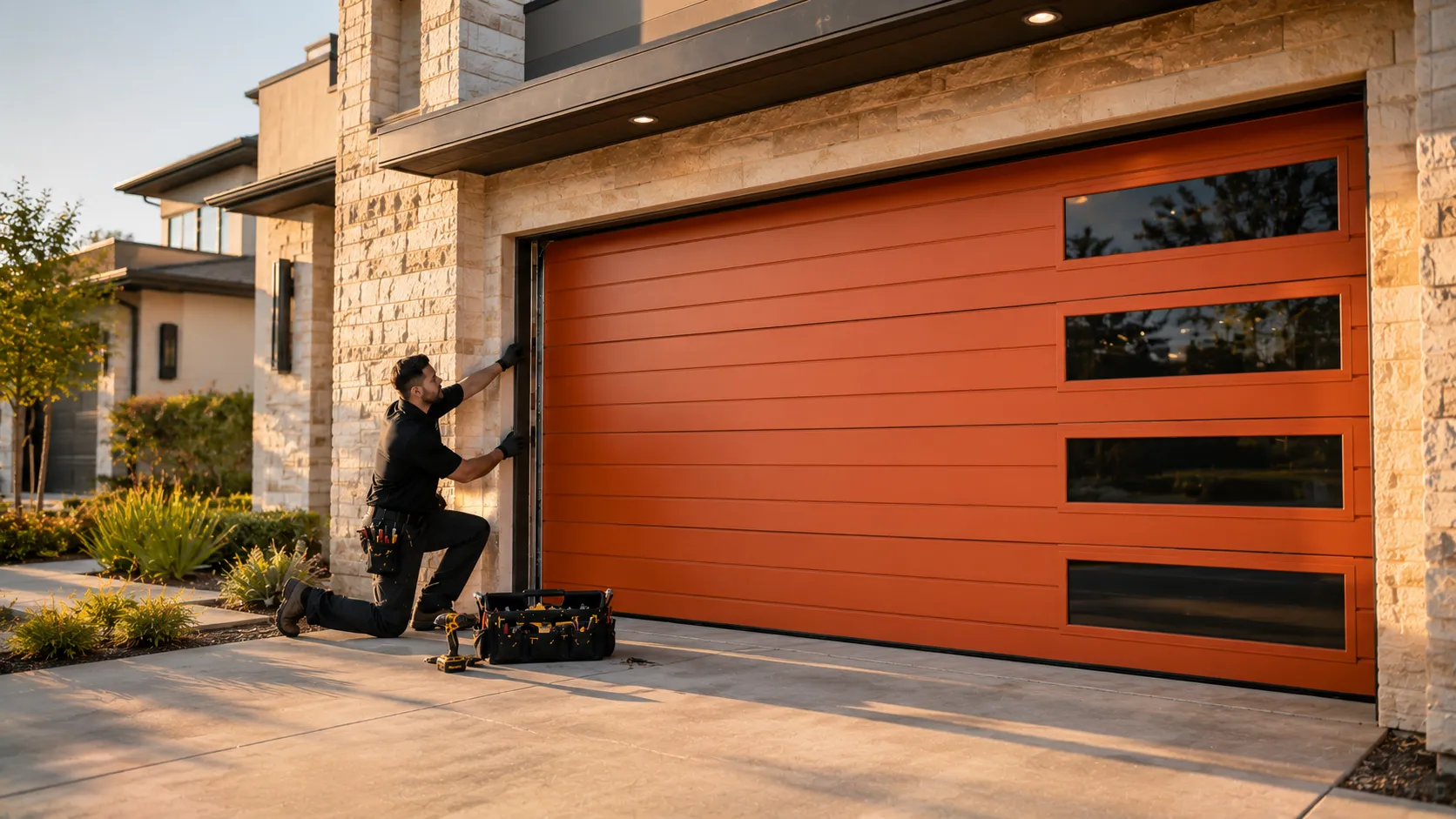
On a door from the 1980s or 90s stock common here, the panel and frame are usually the part still worth keeping - it's the moving hardware that wears out first. If you're not sure which of these you're looking at, that's a fair reason to have someone put eyes on it before you spend money either way.
What Changes With the Season
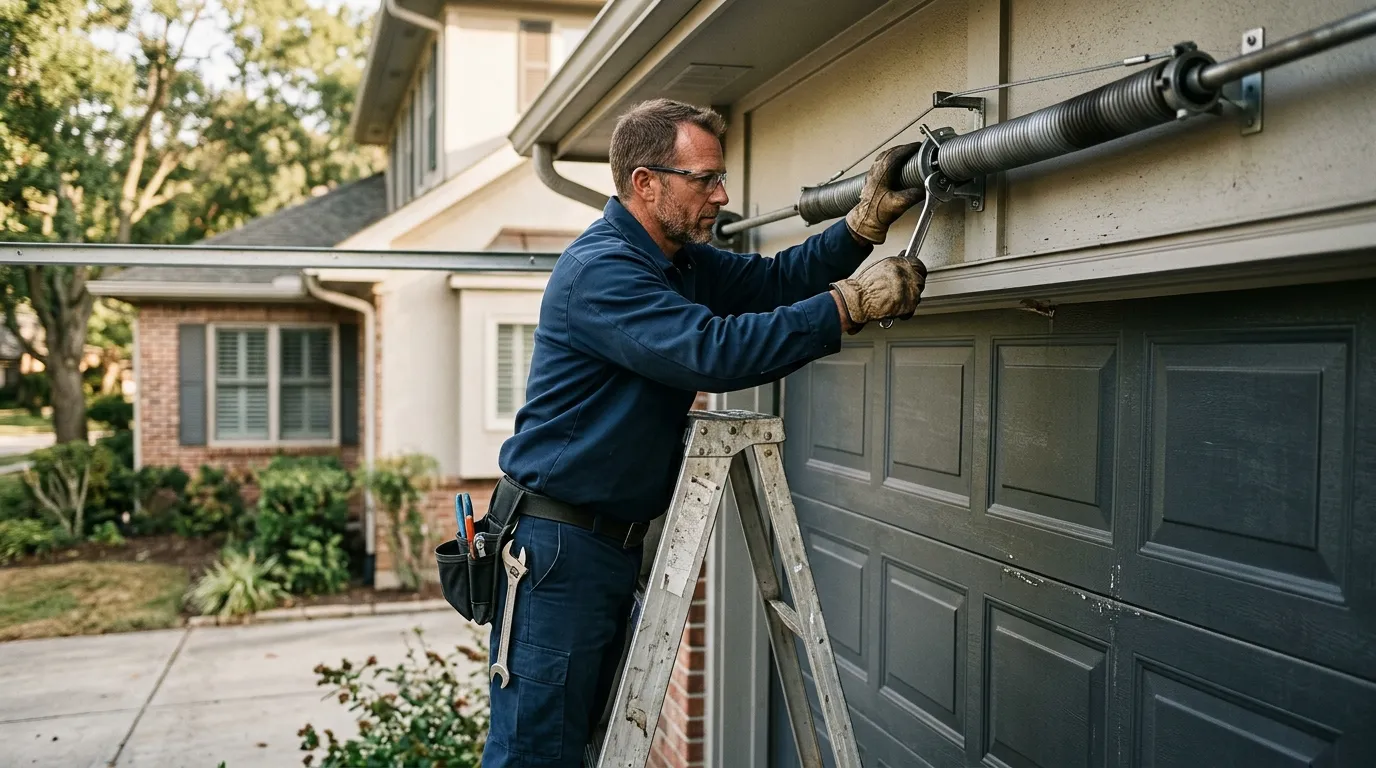
This area sits in a cold-moderate climate band, which means the door goes through a real freeze-thaw cycle every year, not just a couple of cold weeks. That swing is what ages hardware faster than the calendar alone would suggest. Steel contracts in the cold, and on an older door the tolerances that were fine in 1990 are tighter now, so a torsion spring that's already lost some tension will show it first on the coldest mornings - slow starts, a door that hesitates halfway up.
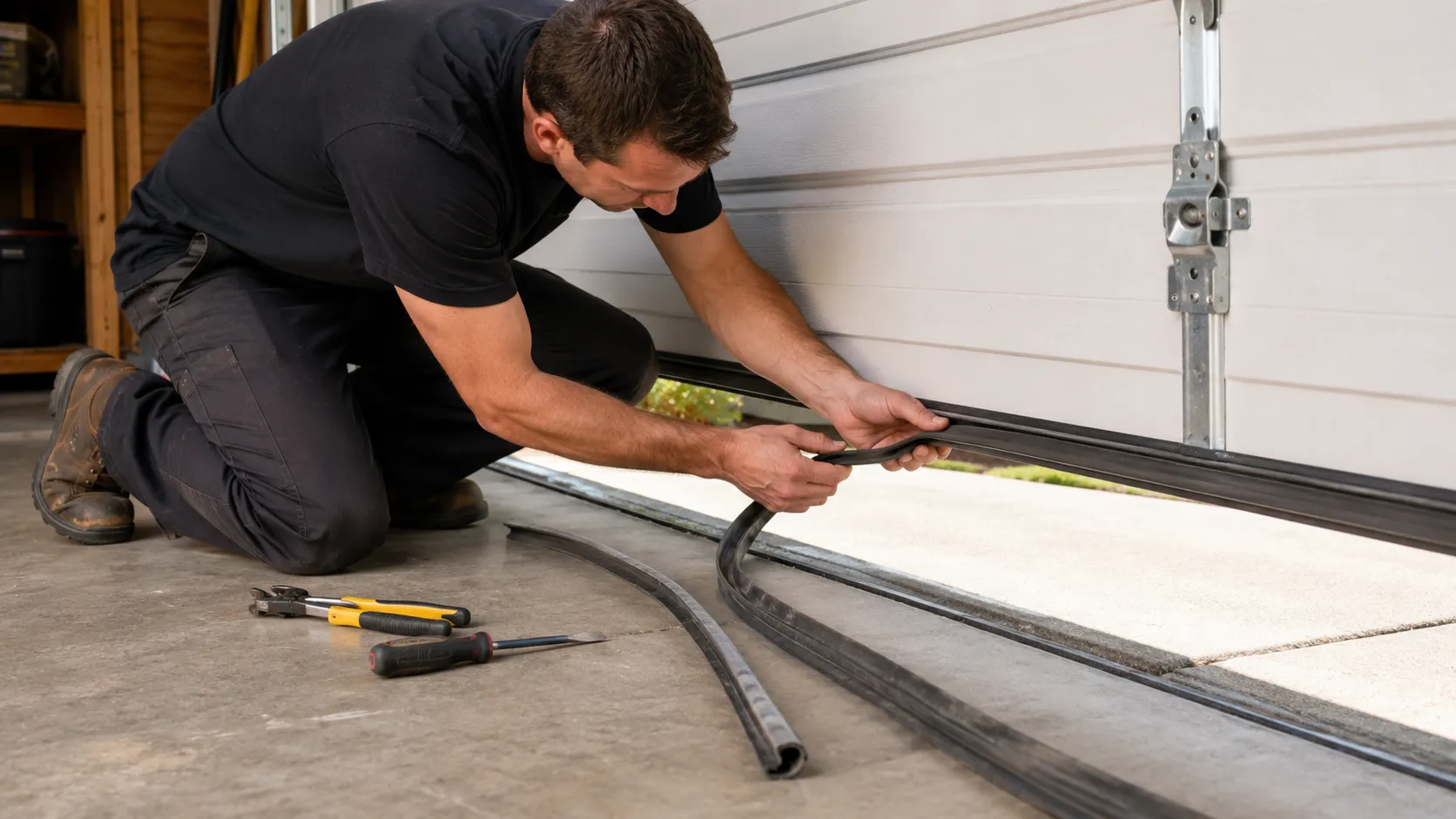
Weatherstripping is the other piece. On a 30-plus-year-old door, the bottom seal has usually been replaced once or twice already, but the vinyl still hardens and cracks faster during a cold-moderate winter than it would somewhere milder. If you're noticing daylight under the door or a draft in the garage every winter, that's wear from the seasonal swing, not a sign the door itself is failing.
What the Weather Here Does to It
A cold-moderate climate doesn't beat up a garage door the way extreme heat or coastal salt air does, but the repeated freeze and thaw still does two specific things to an older door. It stiffens the lubricant in hinges and rollers that haven't been serviced in a while, which is why a door that ran quiet in September starts squealing by January. And it shrinks steel just enough that a door already slightly out of square from age will bind at the top corners in the cold and loosen up again once temperatures climb back into the 40s and 50s.
Neither of those is a reason to replace a door. Both are reasons to have the springs, hinges, and track checked before the temperature drops for the season, especially if the door is original to a build from the 1980s or 90s. The honest limitation here: if the panel is already rusted or the frame is out of square, cold weather will expose that faster than it causes it - the freeze-thaw swing finds the weak point, it doesn't create one.
How it works
From “it’s stuck” to “it’s fixed”
1
Tell us what’s wrong
Describe the symptom - won’t open, loud bang, opener runs but the door won’t move.
2
On-site diagnosis
A technician tests the door under power and by hand and finds what actually failed.
3
Clear, up-front plan
You get the fix that’s needed and what drives the cost - before any work starts.
4
Repaired & tested
The repair is done, the door is set true and tested, and the work area left clean.
Serving Vernon Hills, IL - tell us what your door’s doing and we’ll take it from there.
Straight answers about garage door repair in Vernon Hills. Still unsure? Ask us directly.
How do I know if my garage door is too old to fix?
Look at the bottom panel first. Rust-through or rot there usually can't be patched cost-effectively. If the panel and frame are straight and square, most failures - springs, rollers, openers - are repairable regardless of the door's age, since a lot of the doors we see here date to the 1980s or 90s and are still structurally sound.
Does the cold weather here shorten a garage door's life?
The freeze-thaw swing typical of this climate band stiffens lubricant and can make an already-worn spring or slightly out-of-square door act up faster in winter. It doesn't damage a sound door, but it will expose problems that were already starting, usually as slow starts or binding at the top corners.
Is it cheaper to repair or replace an original 1980s door?
Usually repair, if the panel is intact. A steel sectional door from that era was often built heavier than current base-model doors, so replacing a spring, hinge, or roller set almost always costs less than a full replacement - unless the panel itself has failed.