In Vernon Hills, homes built between 1938 and 2009 face cold winters that strain garage door hardware - learn which sounds mean trouble and which are normal.
Vernon Hills houses run from 1938 builds near the older pockets to construction as recent as 2009, with the bulk going up through the 1980s and 90s - so the noise your door makes depends heavily on which decade your subdivision belongs to. A door on original 1980s hardware doesn't fail the same way a door installed ten years ago does, and it doesn't sound the same either. Across the roughly 115,000 owner-occupied houses in this part of Lake County, the mix of build years means two neighbors a few blocks apart can be dealing with completely different problems even though both just say "my door is making a noise." One might have the original spring from when the house went up. The other might have a newer torsion setup that's simply out of lubricant. Before you guess at what's wrong, it helps to know that Vernon Hills isn't one uniform housing stock - it's decades layered on top of each other, and the fix depends on which layer your garage sits in.
What to Check
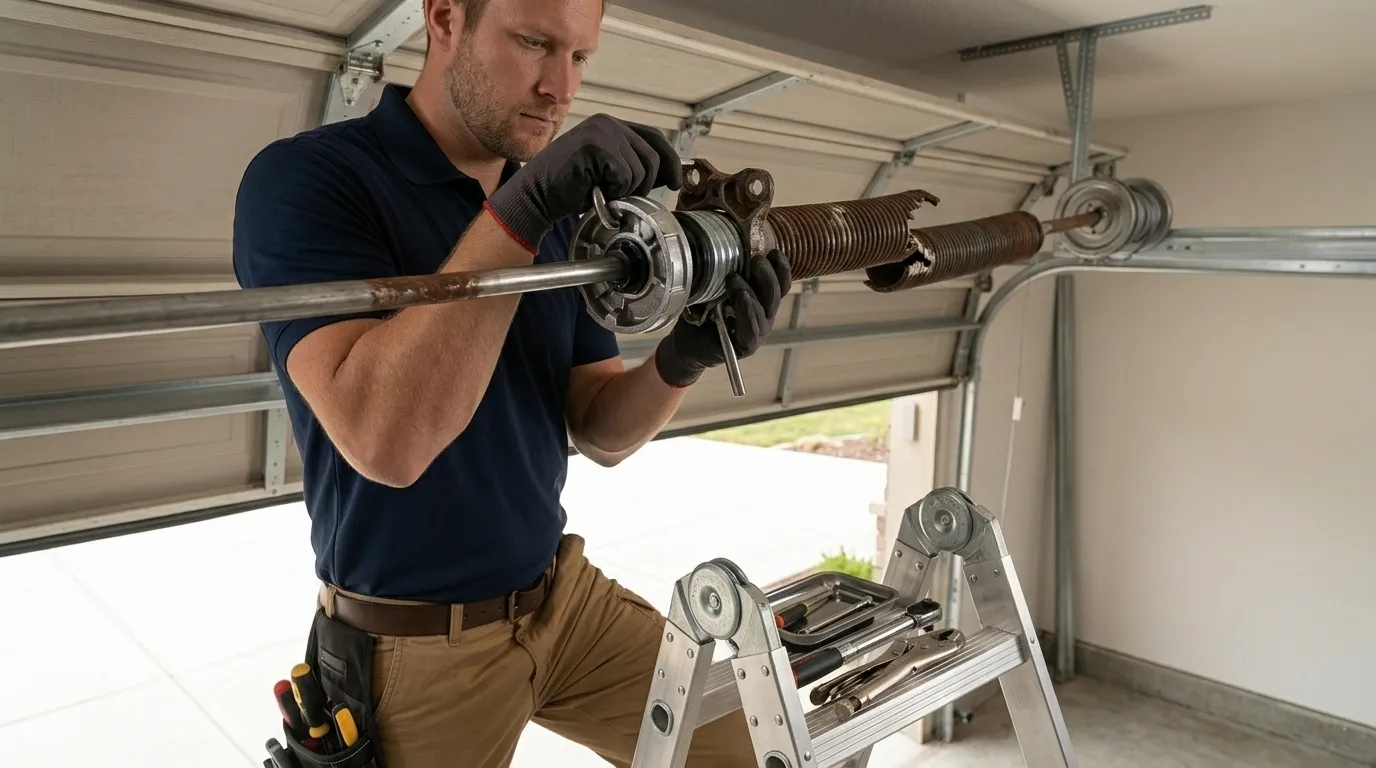
Start with where the sound comes from. A rhythmic thump as the door travels usually means a bent track section or a roller going flat - common on the extension-spring setups that were standard when a lot of this area's houses went up. That median build year of 1984 means a lot of doors here still run on the extension-spring and chain-drive hardware that was standard in that era, not the torsion setups builders use today. A sharp bang, especially near the top of the door's travel, is worth stopping and calling about - that's often a spring under tension letting go, and it's not a DIY fix. A steady grinding hum from the motor housing usually points to worn gear teeth in the opener, not the door itself. If the noise only happens on cold mornings and quiets down by afternoon, that's a different issue entirely, and it's covered in the next section. Write down when the noise happens, not just what it sounds like - cold-start noise, mid-travel noise, and end-of-travel noise point to three different parts of the system.
What Changes With the Season
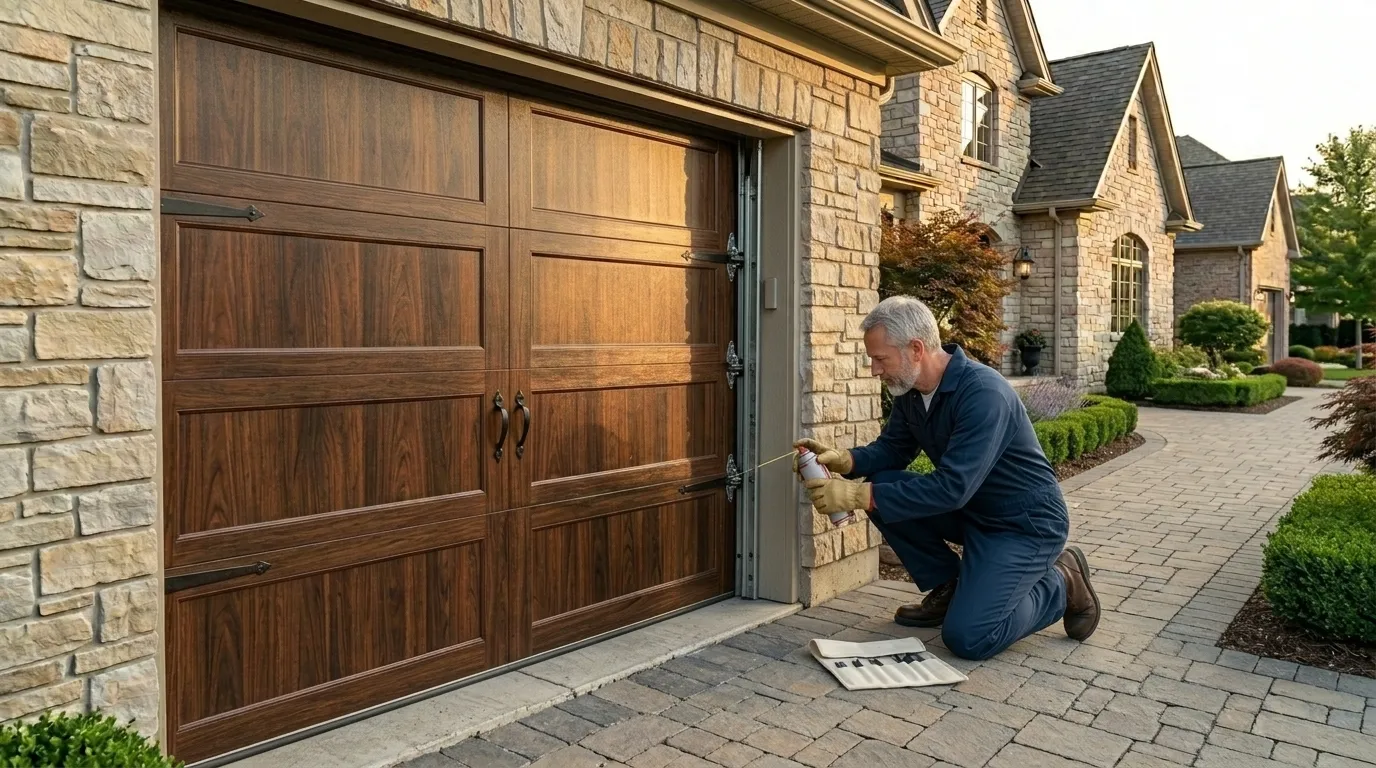
Vernon Hills sits in a cold-winter climate band, so a grinding or popping noise you barely notice in July can turn into a snapped cable by January. Steel contracts as it gets cold, and torsion springs that have a little slack in warm weather can bind tighter against the shaft in winter, changing the pitch of the noise the door makes without changing what's actually wrong. Grease that felt fine in September can thicken enough by December that rollers start to squeal on their way through the track. None of this means the hardware failed overnight - it means the same worn part sounds different depending on the month. If a noise shows up only in the cold and goes away once the garage warms up, that's usually lubrication or clearance, not a broken part. If it's there year-round, it's mechanical and won't fix itself when spring comes.
What the Weather Here Does to It
Across the 65 named subdivisions that make up this service area, the 1980s and 90s tract-built sections show the same rollers and cables wearing out around the same age, and the cold-moderate climate here is a big reason why. Repeated freeze-thaw cycles work moisture into cable strands and bearing races, and that's what turns a quiet roller into a squeaky one two or three winters earlier than it would wear out somewhere with milder swings. With a median household income of $113,125 in this area, a lot of owners here have already swapped in a quieter belt-drive opener while leaving the original torsion spring and track from the house's original build in place - so the loudest part of the system is usually the oldest part. One honest limitation: we can't tell you over the phone whether a noise is a five-minute lubrication job or a spring that's about to go. Anything that sounds like metal under load - a groan, a creak, a bang - needs eyes on it before you use the door again, not a guess.
How it works
From “it’s stuck” to “it’s fixed”
1
Tell us what’s wrong
Describe the symptom - won’t open, loud bang, opener runs but the door won’t move.
2
On-site diagnosis
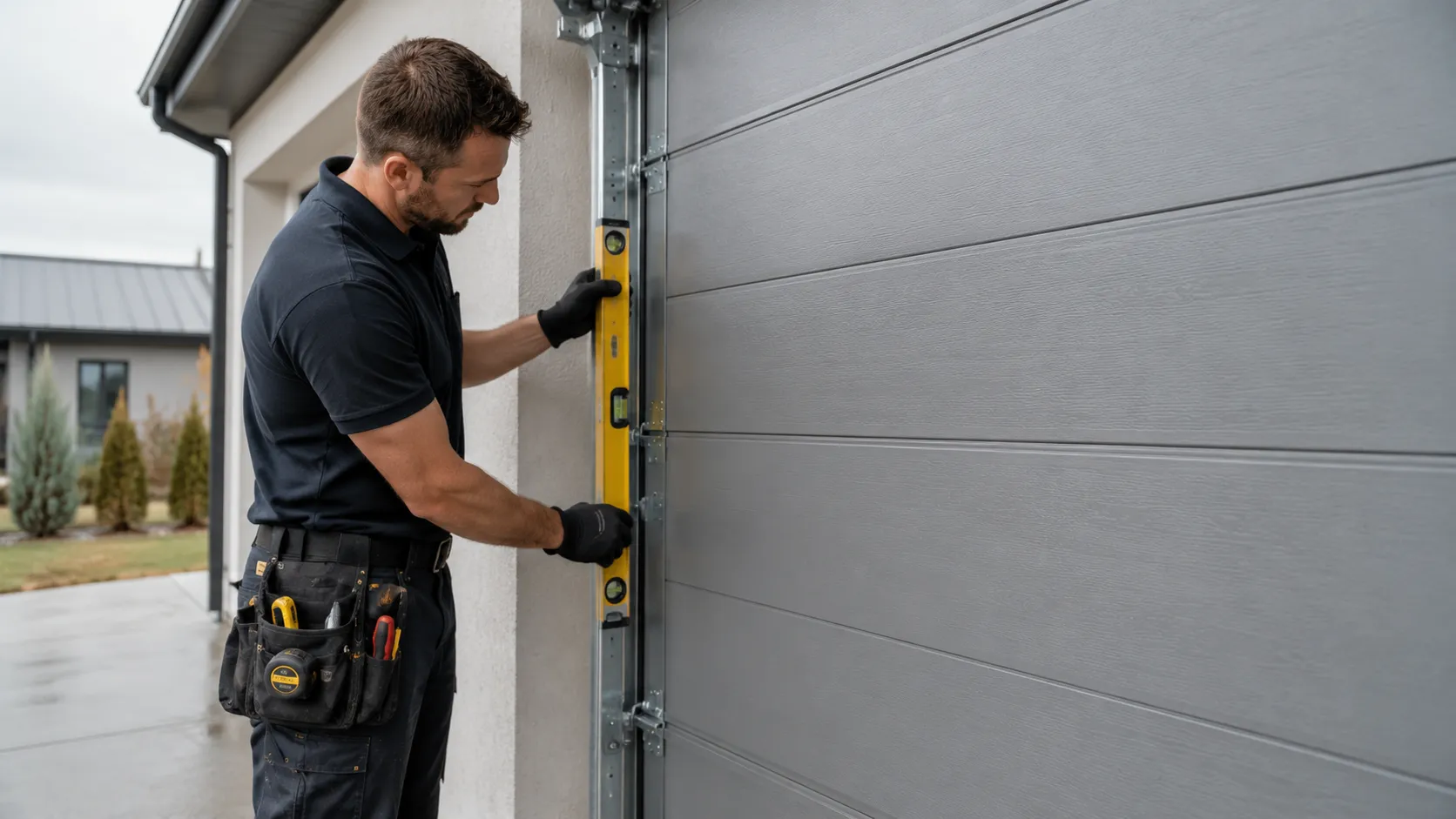
A technician tests the door under power and by hand and finds what actually failed.
3
Clear, up-front plan
You get the fix that’s needed and what drives the cost - before any work starts.
4
Repaired & tested
The repair is done, the door is set true and tested, and the work area left clean.
Serving Vernon Hills, IL - tell us what your door’s doing and we’ll take it from there.
Straight answers about garage door repair in Vernon Hills. Still unsure? Ask us directly.
My garage door only squeaks in winter - is that serious?
Usually not urgent, but don't ignore it. Cold-weather squealing is often thickened grease or slight metal contraction changing clearances, not a broken part. It's worth a look before it wears rollers or a track faster than it should, especially given how cold this area gets from December through February.
Is a banging noise from the spring always an emergency?
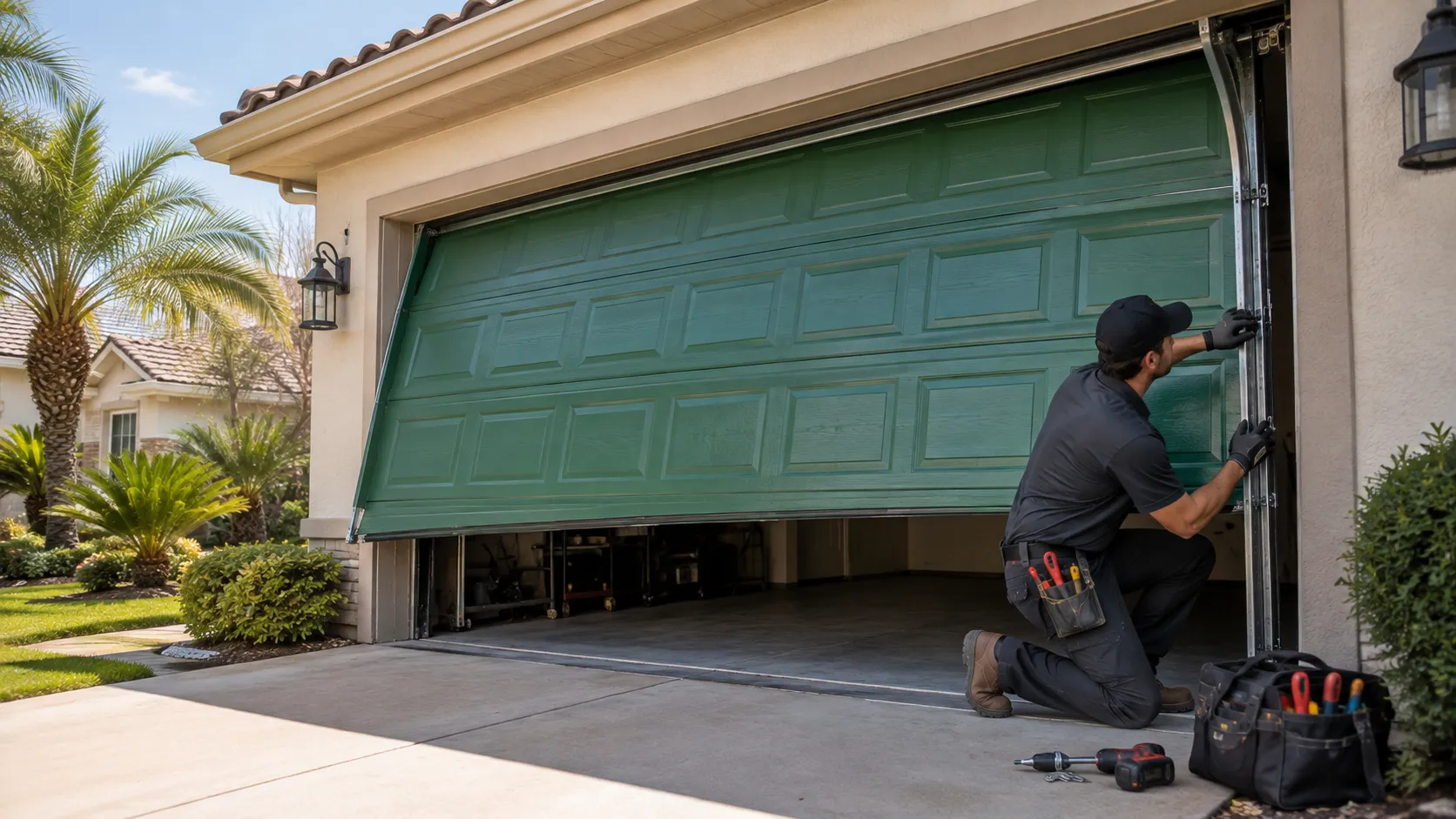
A loud bang near the top of the door's travel is one of the few noises worth stopping for immediately. It often means a torsion or extension spring has let go or is close to it. Don't run the opener again until someone's checked it - a spring under tension can cause real injury.
Why does my neighbor's door sound different from mine if we live on the same block?
Vernon Hills has houses from as early as 1938 through 2009 on the same streets in some pockets, so original hardware varies house to house even within one subdivision. Different spring types, opener ages, and track conditions all produce different sounds for what might be the same underlying wear.